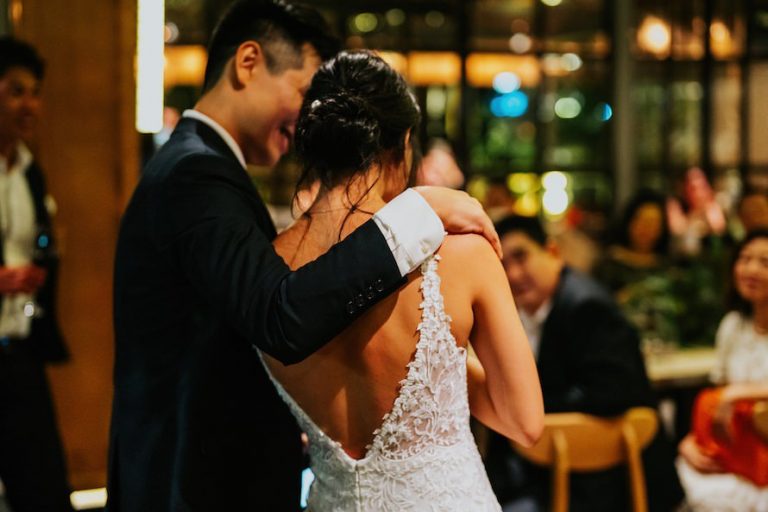
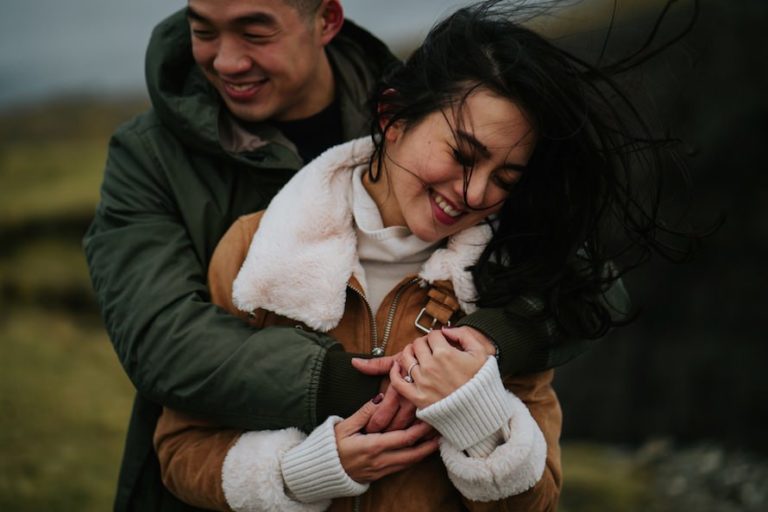
Wedding Photography Timeline in Singapore
Wedding Photography Timeline in Singapore: Planning a Day You’ll Want to Remember
“The best wedding photographs aren’t created by squeezing more into the day. They’re created by giving the meaningful moments room to breathe.”
One of the first questions couples ask us is surprisingly practical.
“How much time should we set aside for photography?”
It’s an understandable question. Weddings are made up of moving parts—hair and makeup, family arriving, tea ceremonies, solemnisation, portraits, lunch or dinner preparations. And somehow everything has to fit into a single day.
What we’ve learnt after photographing hundreds of weddings is that a good timeline isn’t about making room for photographs.
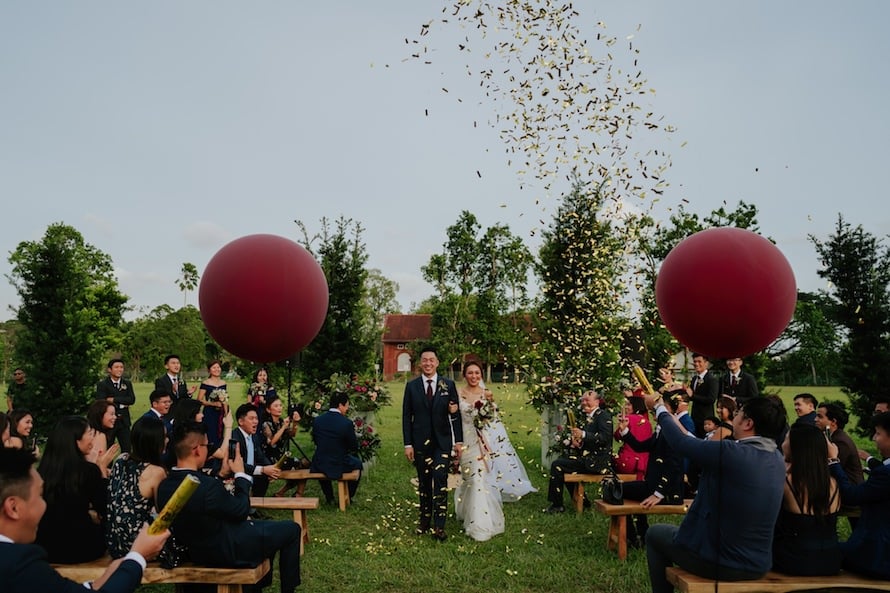
It’s about making room for the moments that matter.
When the day feels rushed, photographs often become rushed too. Conversations are cut short. Hugs become quick embraces. Portraits become another item to tick off the list.
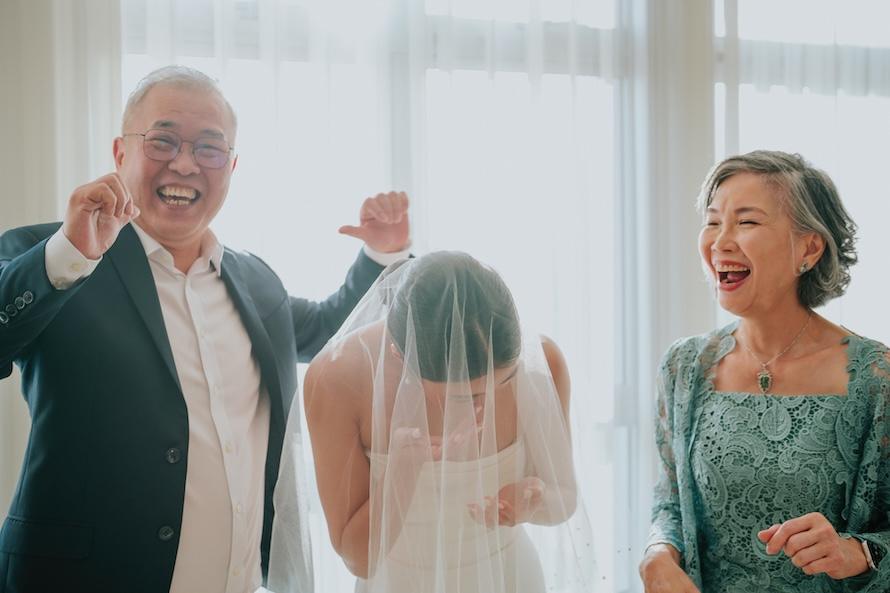
The timeline isn’t there to control your wedding.
It’s there to give you the freedom to enjoy it.
There isn’t a “perfect” wedding timeline.
Every wedding is different.
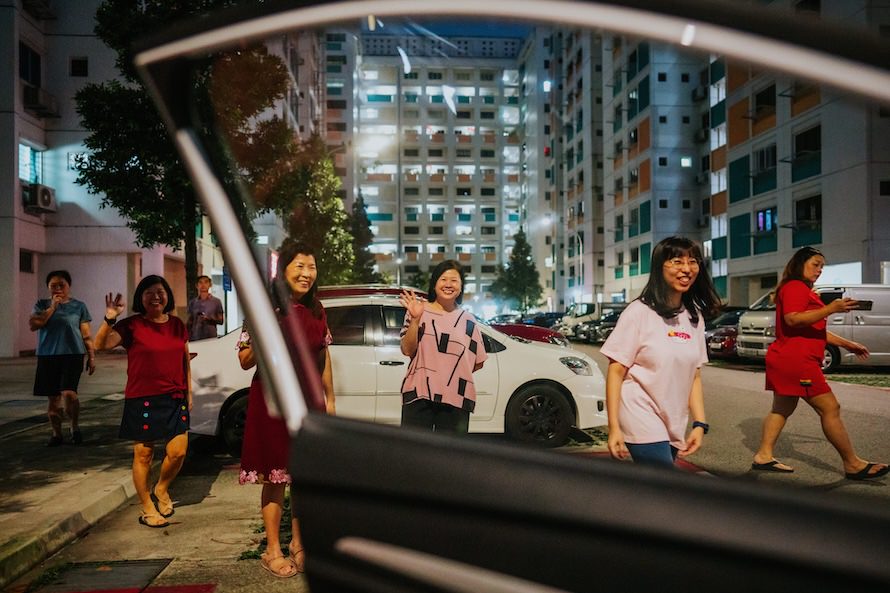
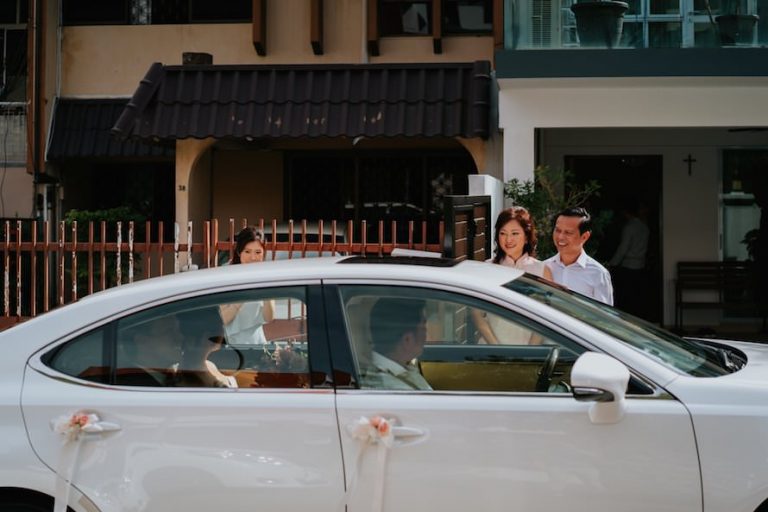
Some couples begin before sunrise due to auspicious almanac timings, or traditional customs (eg. Teochew bride to be fetched by the groom before sunrise).
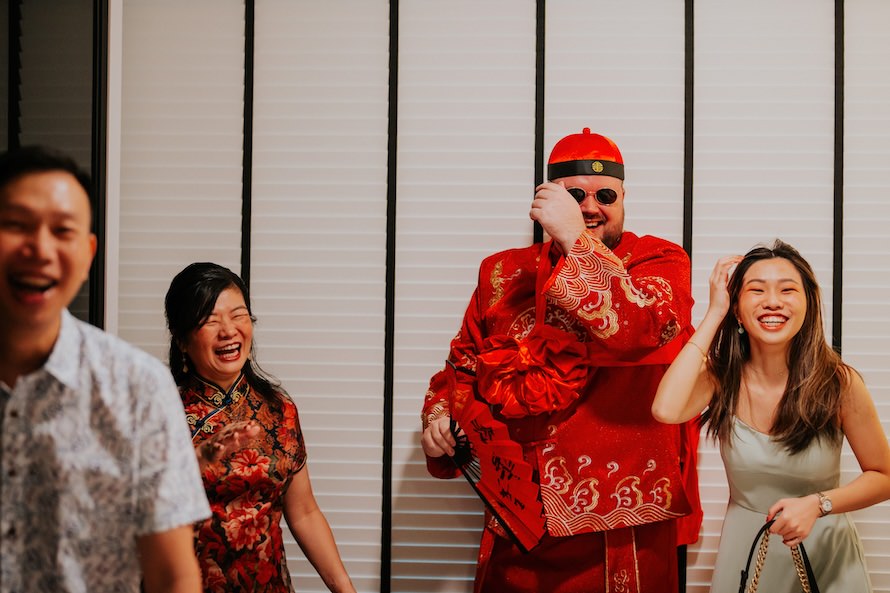
Others choose an intimate afternoon solemnisation followed by dinner with their closest family and friends.
Some celebrate with 30 guests.
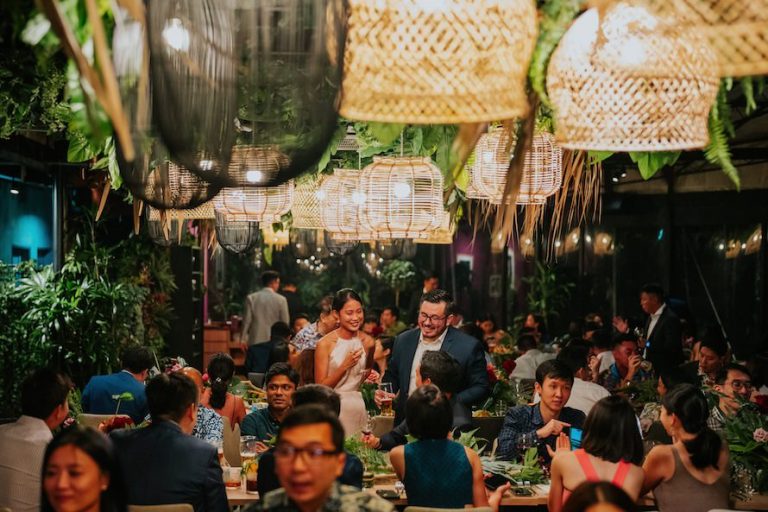
Others celebrate with 300.
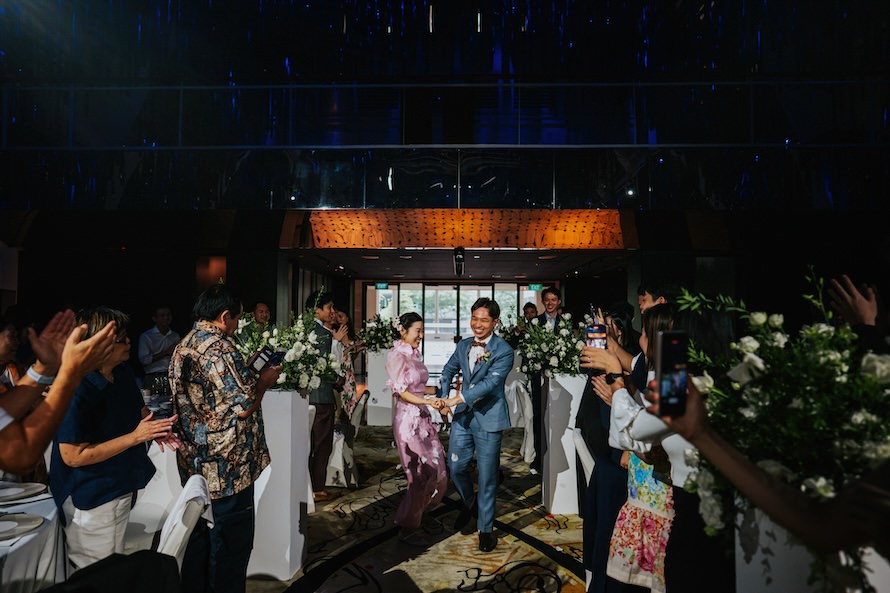
We’ve photographed all kinds of weddings over the years, and one thing remains true.
The best timeline is the one that reflects the way you want to experience your wedding—not the one that looks busiest on paper.
Start with what matters most.
Before deciding what time hair and makeup should begin or when family portraits happen, ask yourselves a different question.
What do you want to remember?
Perhaps it’s having breakfast with your parents or even your bridesmaid/groomsmen before everyone arrives.
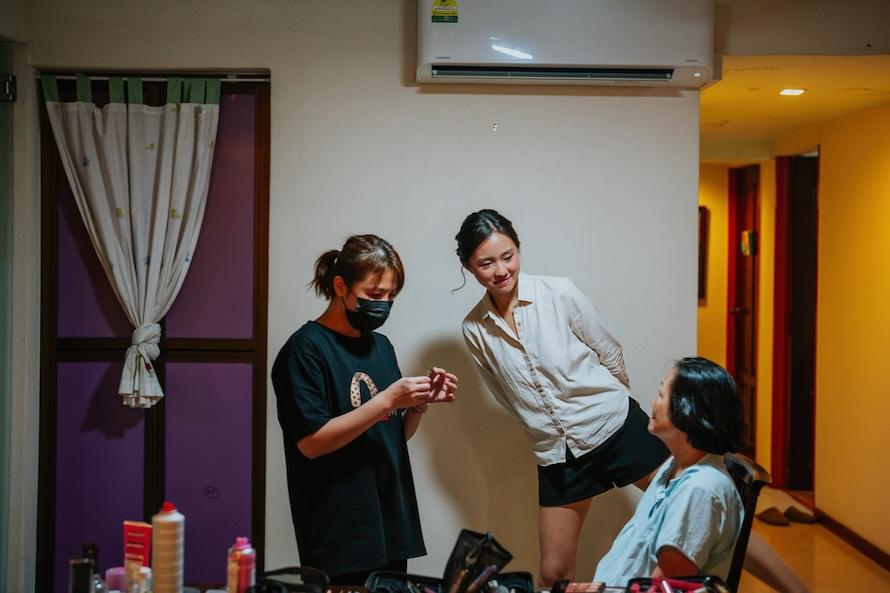
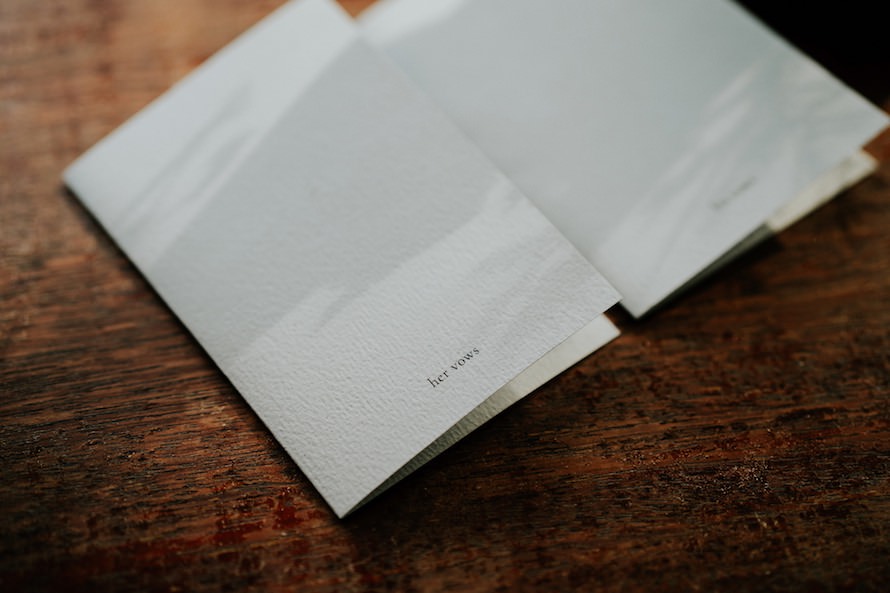
Perhaps it’s reading a handwritten letter from each other before the ceremony.
Perhaps it’s simply having ten quiet minutes together before or after the solemnisation.
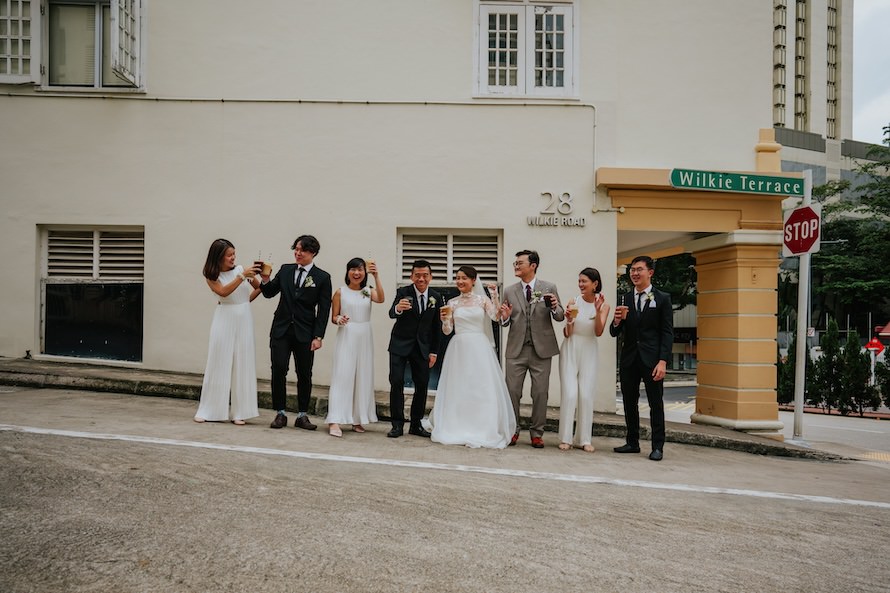
These moments don’t usually appear on a wedding checklist.
Yet they often become the memories couples treasure most years later.
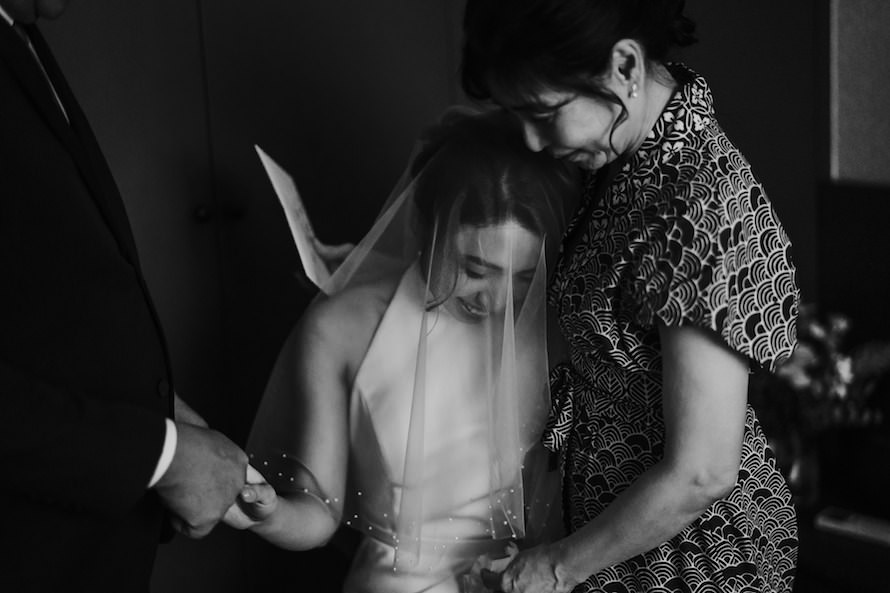
Once those priorities are clear, the timeline naturally begins to take shape.
A sample wedding photography timeline in Singapore
Every celebration is unique, but here’s an example of how a relaxed wedding day might flow.
| Time | Activity |
|---|---|
| 5:30 AM | Hair and makeup begins |
| 8:00 AM | First look |
| 8.30 AM | Travel to venue |
| 9.15 AM | Letter reading and couple portraits |
| 10.00 AM | Couple freshens up |
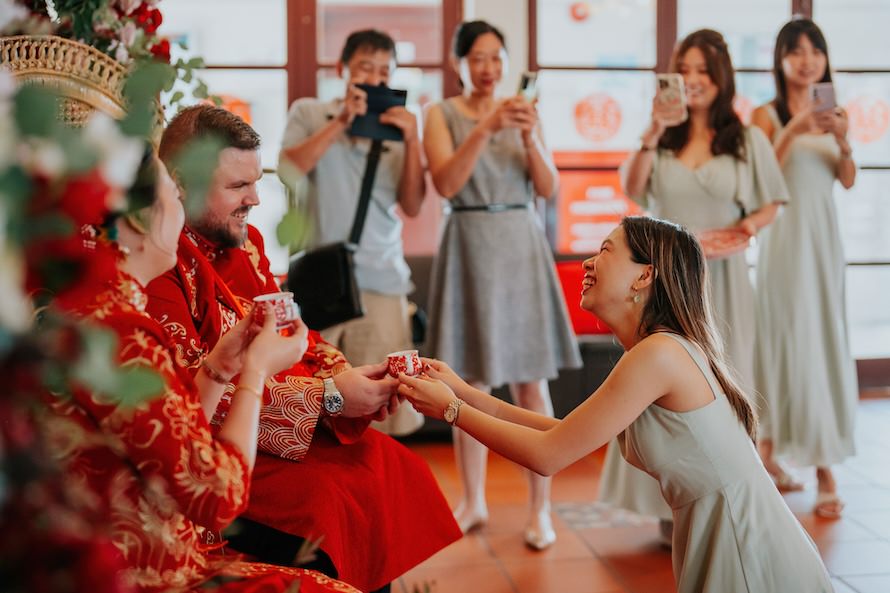
| 10.20 AM | Tea ceremony |
| 10.50 AM | Family photographs |
| 11:30 AM | Solemnisation |
| 12:30 PM | Lunch celebration |
Notice that there are small pockets of time between events.
Those aren’t empty spaces.
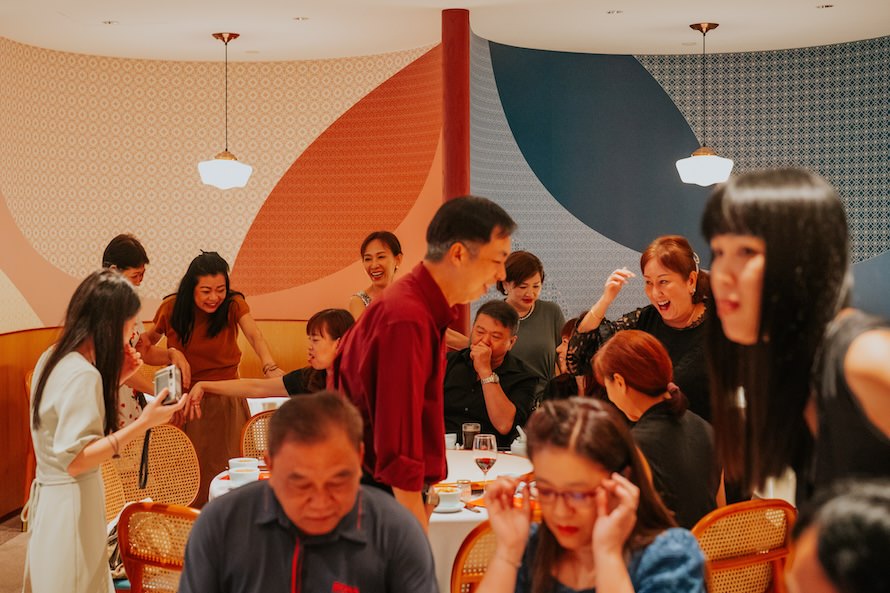
They’re breathing spaces.
Sometimes they become the moments you’ll remember most.
Give yourselves more time than you think you’ll need.
One thing weddings rarely do is run early.
Hair and makeup takes a little longer.
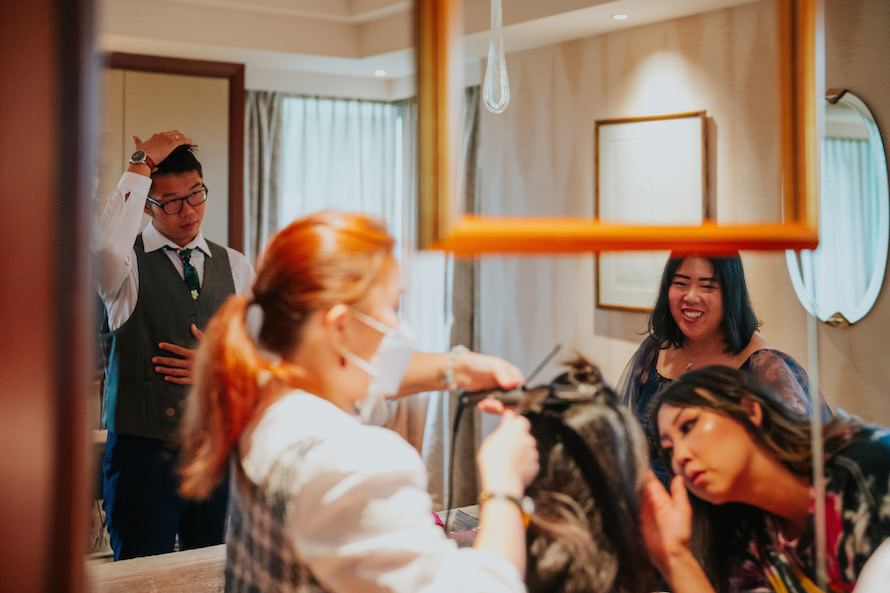
Someone forgets the bouquet. Or even rings!
Grandparents arrive later than expected.
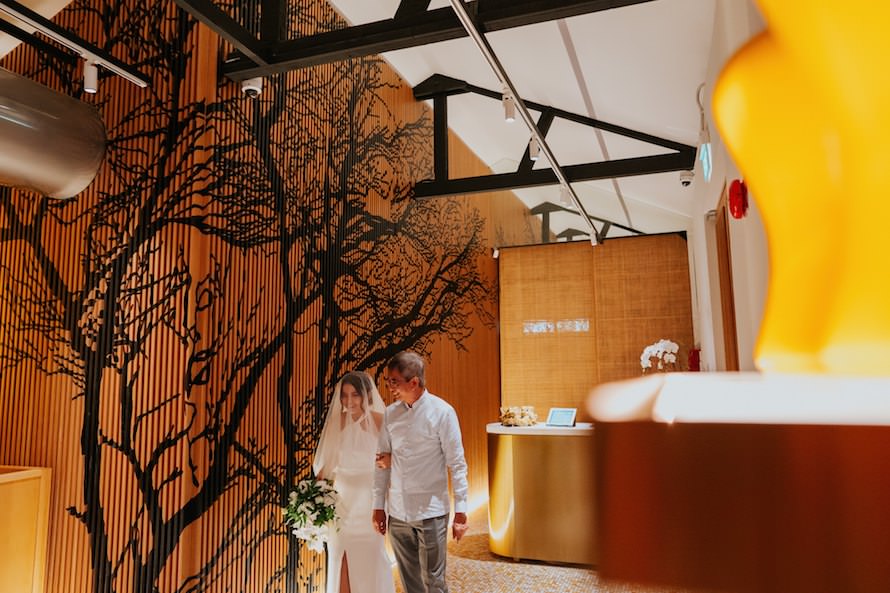
Traffic happens.
Rather than planning everything back-to-back, we always encourage building small buffers throughout the day.
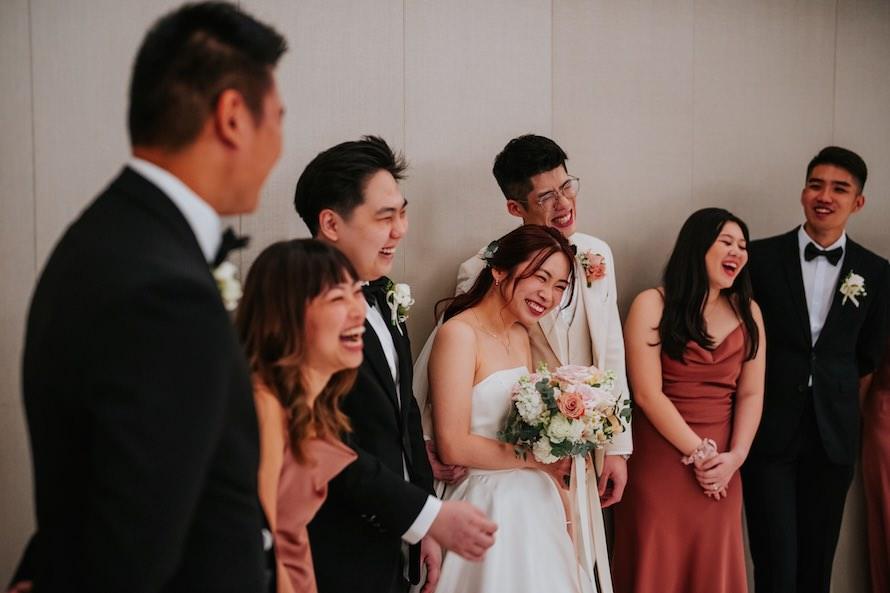
The timeline becomes less stressful, and everyone enjoys themselves a little more.
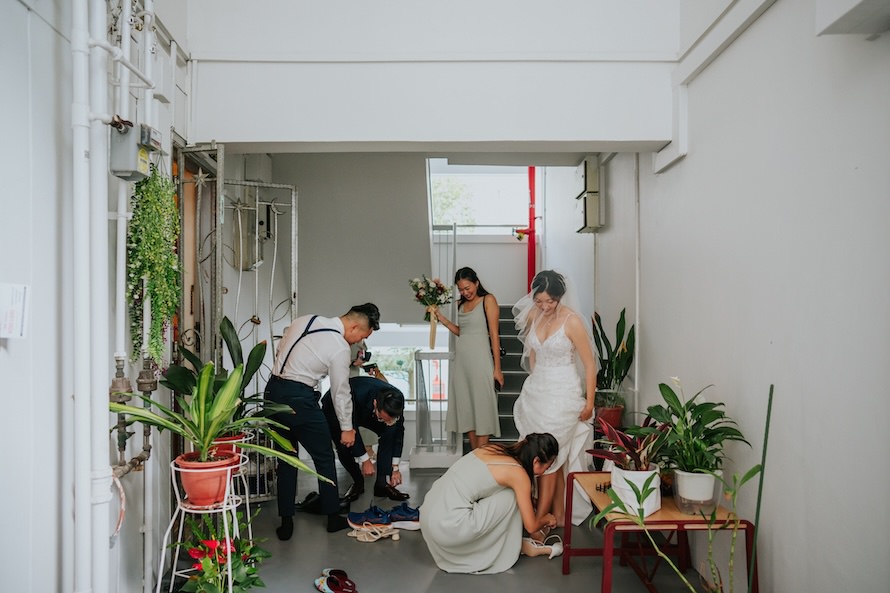
Interestingly, this usually leads to better photographs too.
Relaxed people simply photograph differently.
Your wedding isn’t meant to be managed.
There will be countless little things to coordinate on the day itself. Timelines, logistics and unexpected hiccups are all part of the celebration, and it’s easy to feel like you need to keep everything running smoothly.
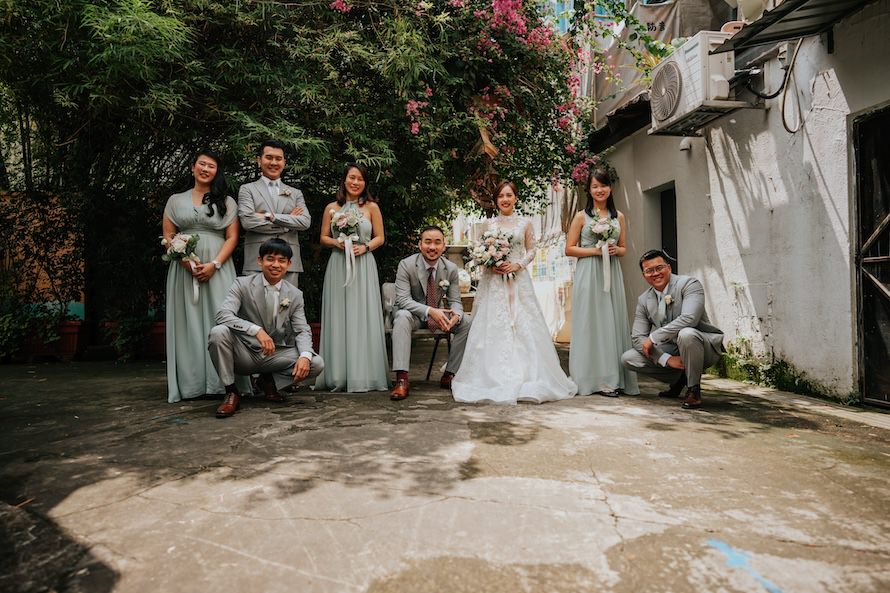
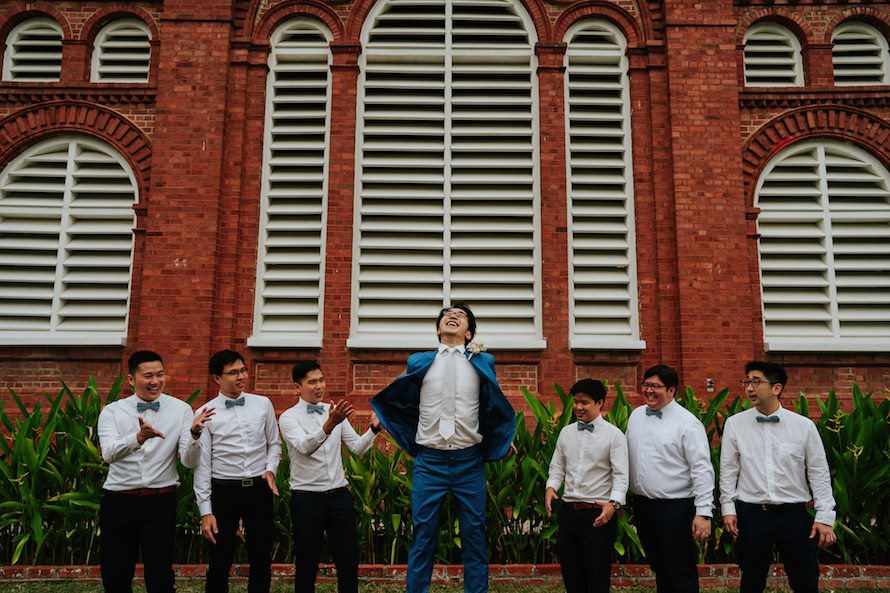
As much as you can, let that responsibility rest with the people around you. Your friends, groomsmen and bridesmaids are often more than happy to help, so trust them with the little things while you stay present for the big ones.
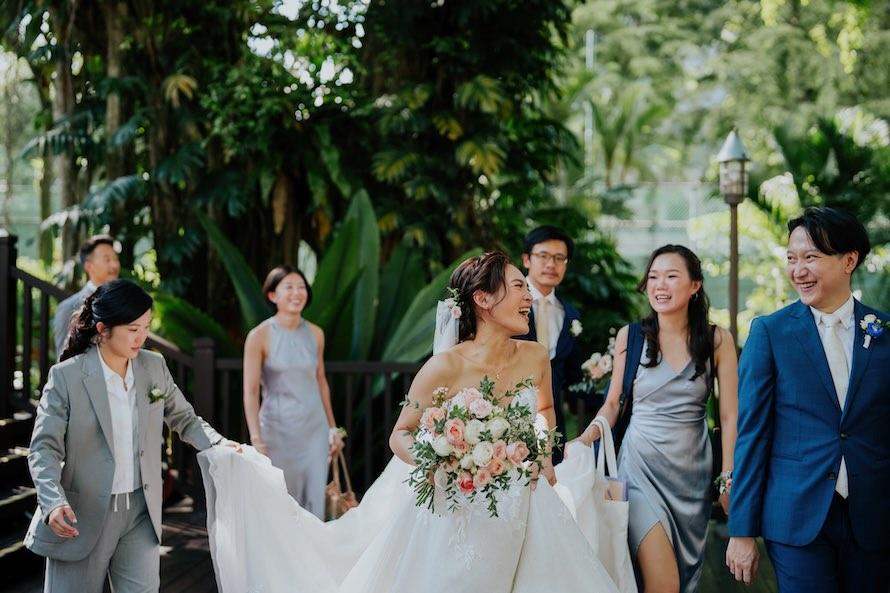
After all, your wedding isn’t another event to organise. It’s a day to celebrate, to be fully present, and to enjoy the story you’ve been looking forward to all along.
Family photographs don’t need to feel like a production.
Family portraits are important.
They’re also one of the easiest parts of the day to keep efficient with a little planning.
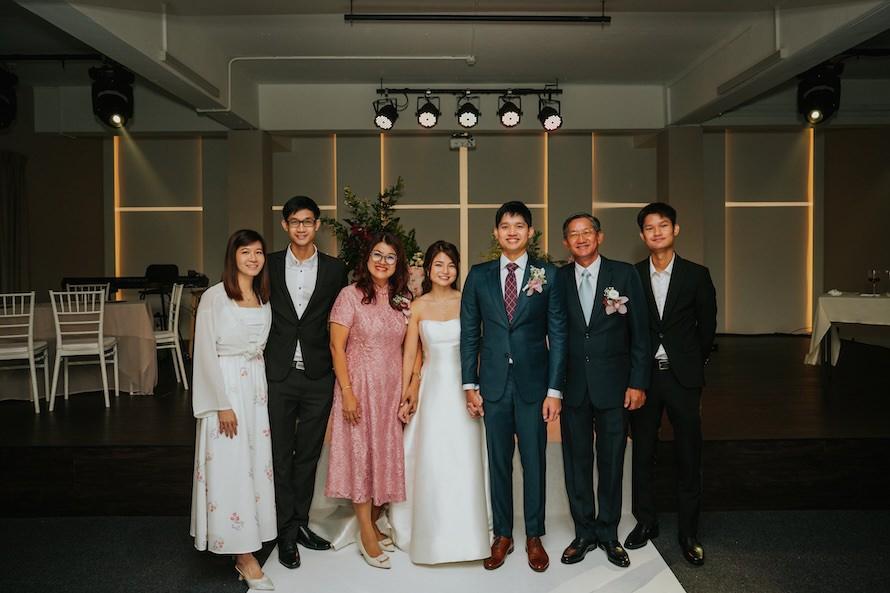
Preparing a simple family grouping list beforehand means everyone knows where they need to be, allowing the session to move smoothly while leaving more time to spend with your guests.
Should we have a first look?
There isn’t a right answer.
Some couples love the idea of seeing each other privately before the ceremony. Either at home, or somewhere outdoors and quiet.
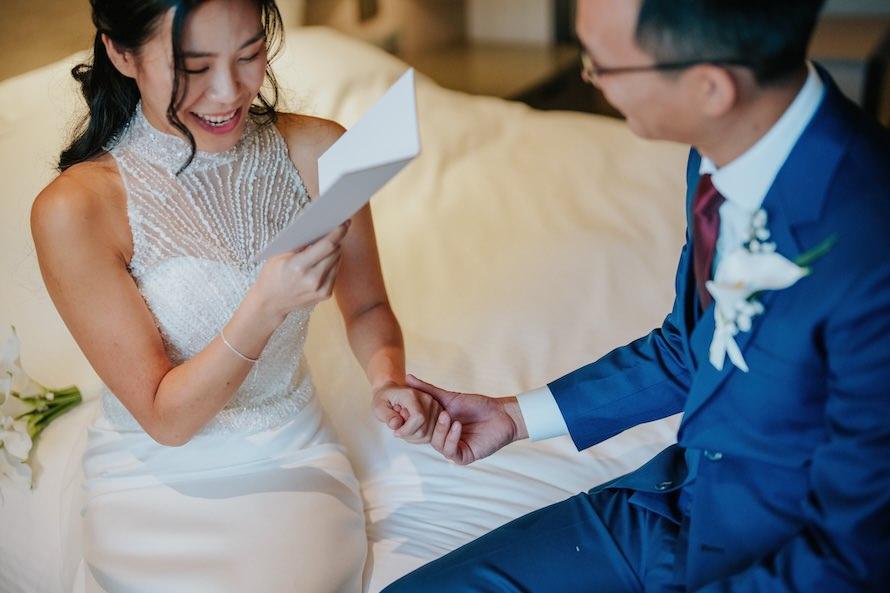
Others prefer waiting until they walk down the aisle.
We’ve seen both become incredibly emotional in different ways.
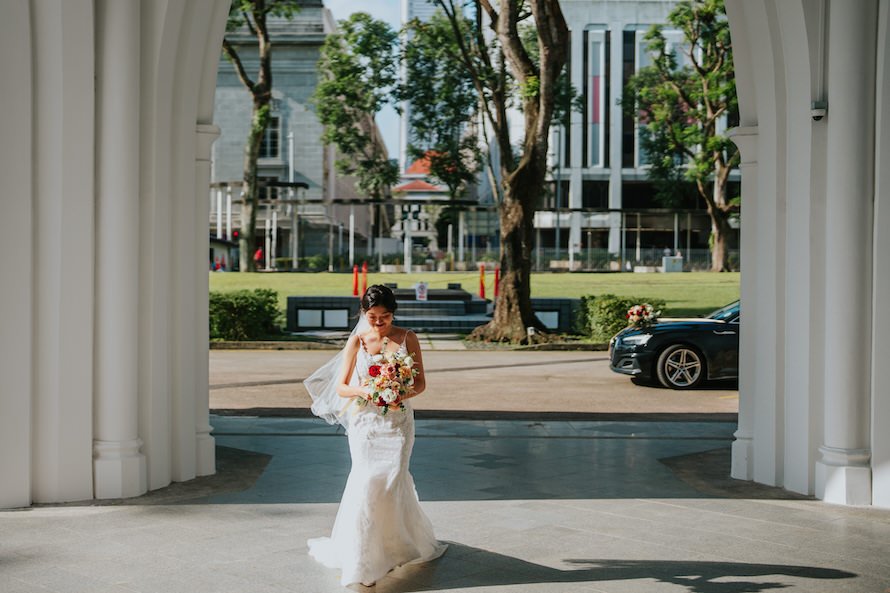
A first look can make the rest of the day feel more relaxed, especially if you’re hoping for couple portraits before guests arrive.
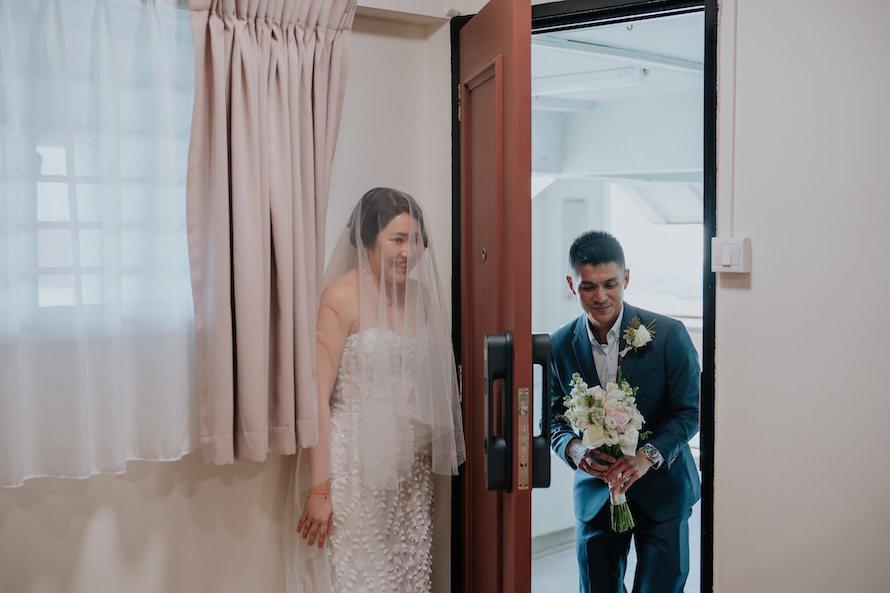
Waiting until the ceremony, on the other hand, preserves that once-in-a-lifetime anticipation.
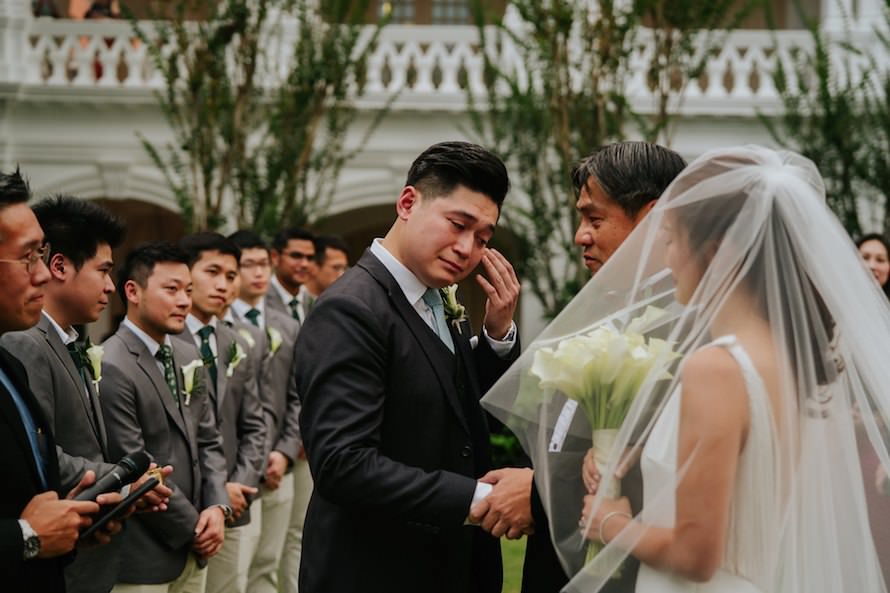
Neither is better.
It’s simply about choosing the experience that feels most like you.
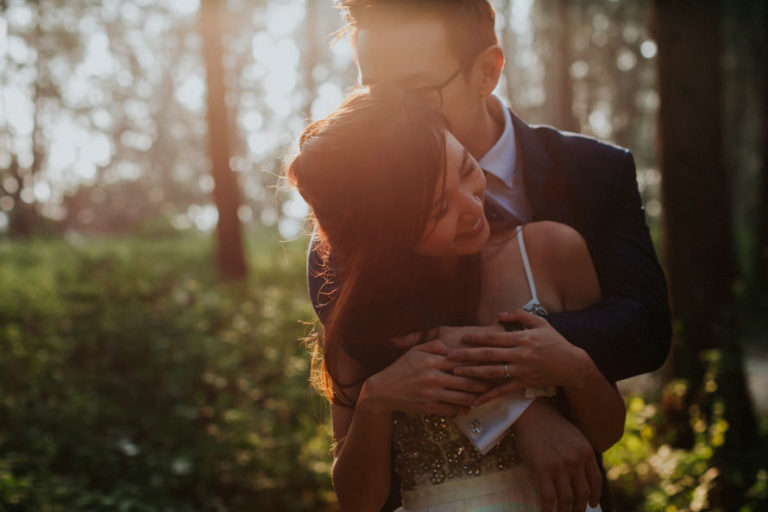
Sunrise or Sunset portraits are worth protecting.
If your schedule allows, consider setting aside at least fifteen or 30 minutes around sunrise/sunset.
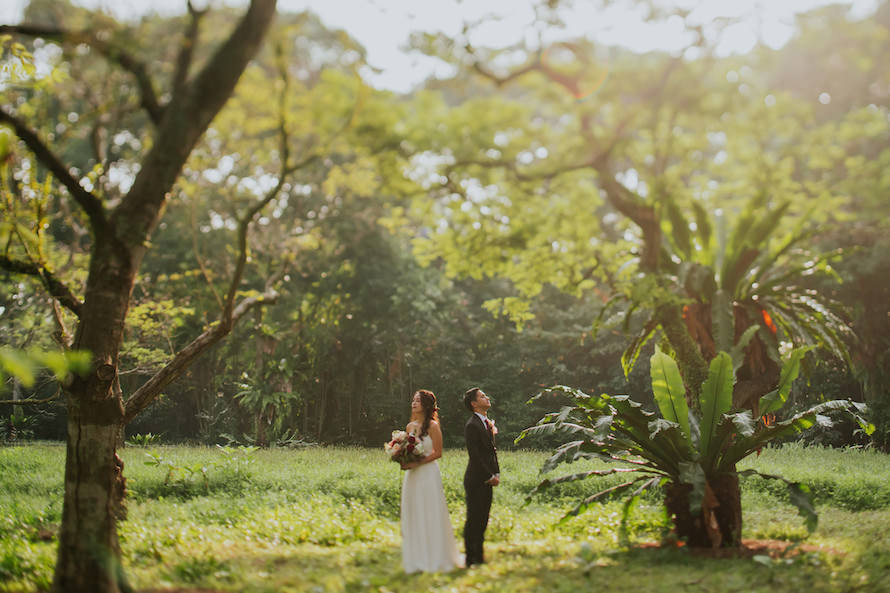
Not because every wedding needs golden-hour photographs.
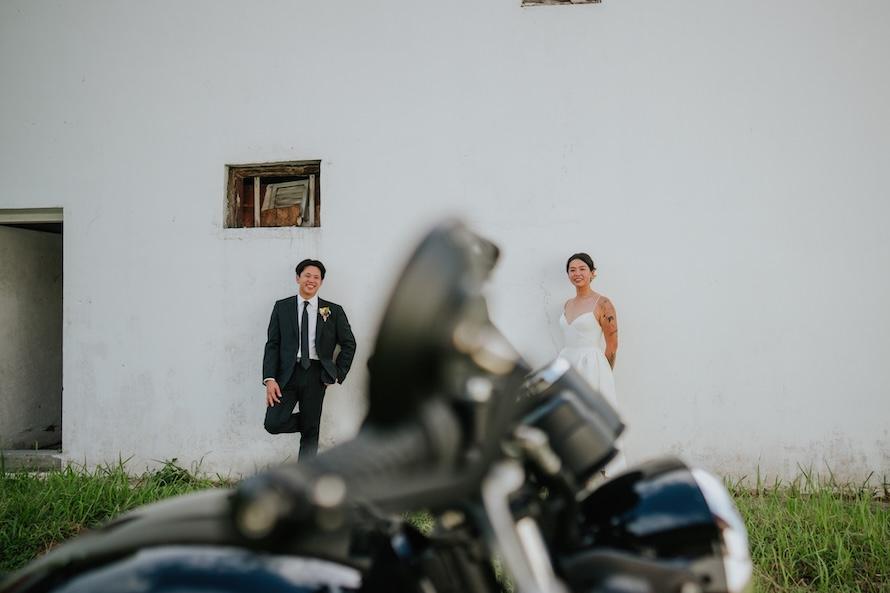
But because it may be the first time all day that the two of you are alone together.
Many couples tell us afterwards that these few quiet minutes became one of their favourite parts of the wedding.
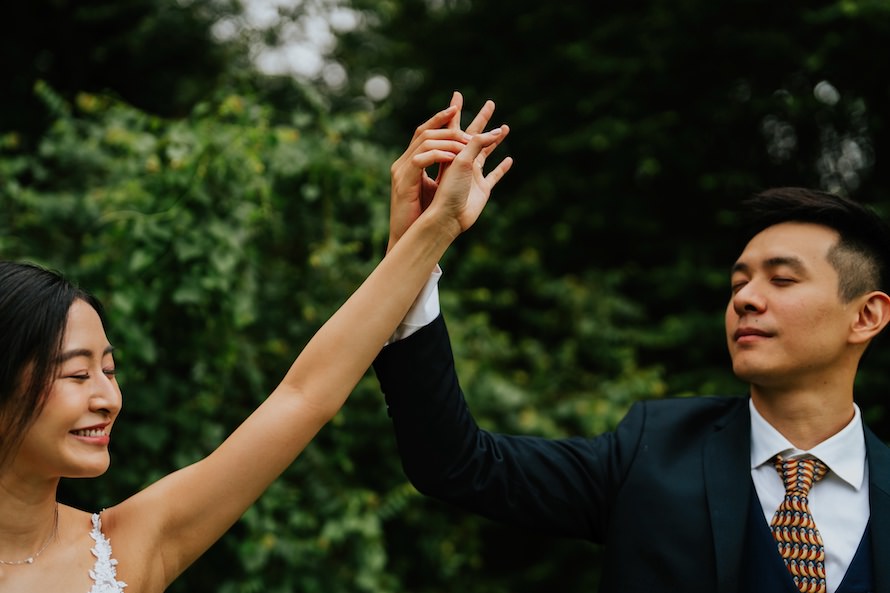
The photographs are simply a reminder of that pause.
Leave room for the unexpected.
Some of our favourite wedding photographs were never planned.
A flower girl falling asleep.
Parents quietly watching from the back of the room.
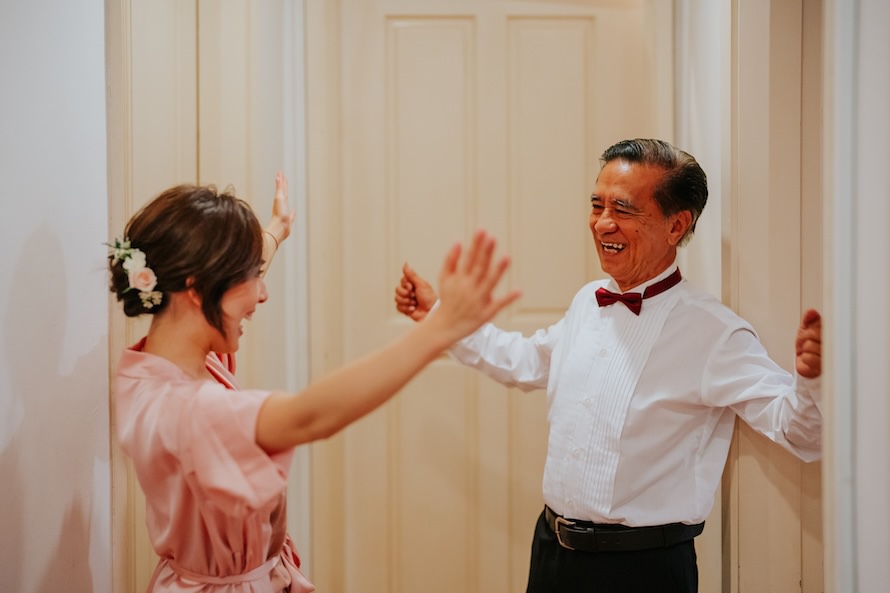
Friends laughing while helping the groom straighten his tie.
Unexpected rain that brought everyone closer together.
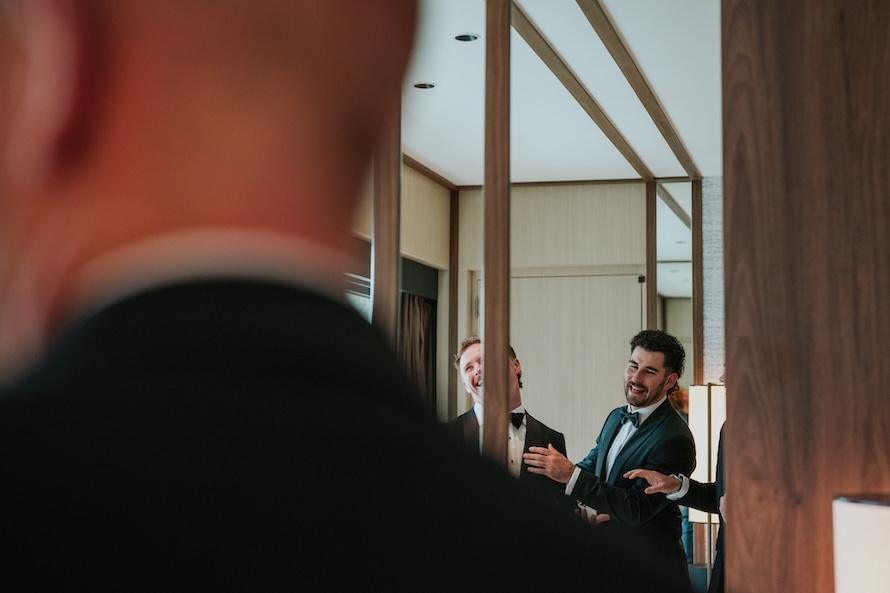
Beautiful moments rarely announce themselves.
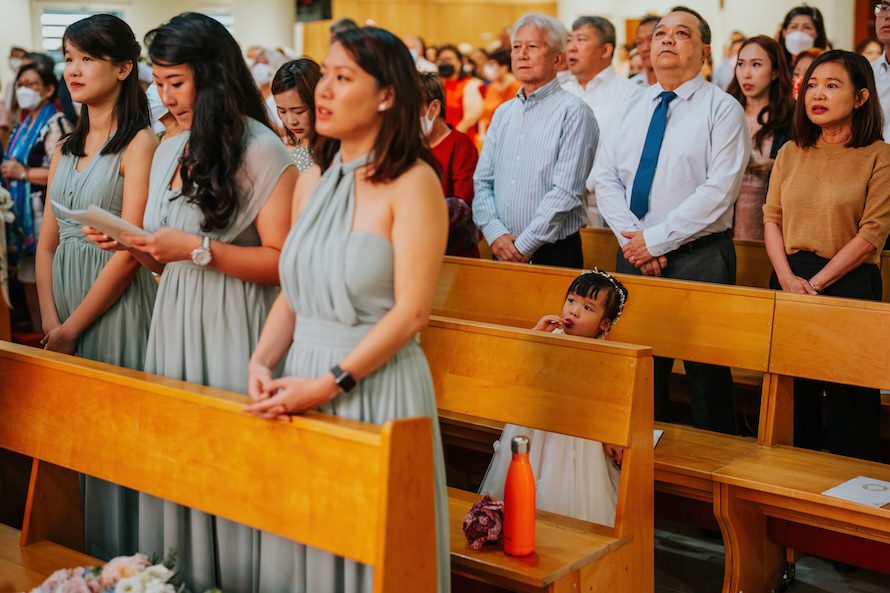
They simply happen.
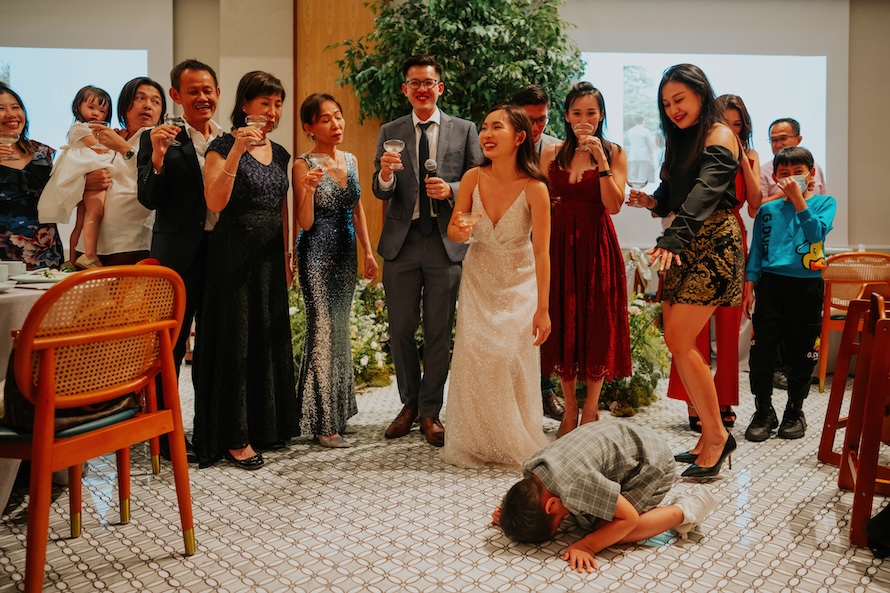
A relaxed timeline gives them space to appear.
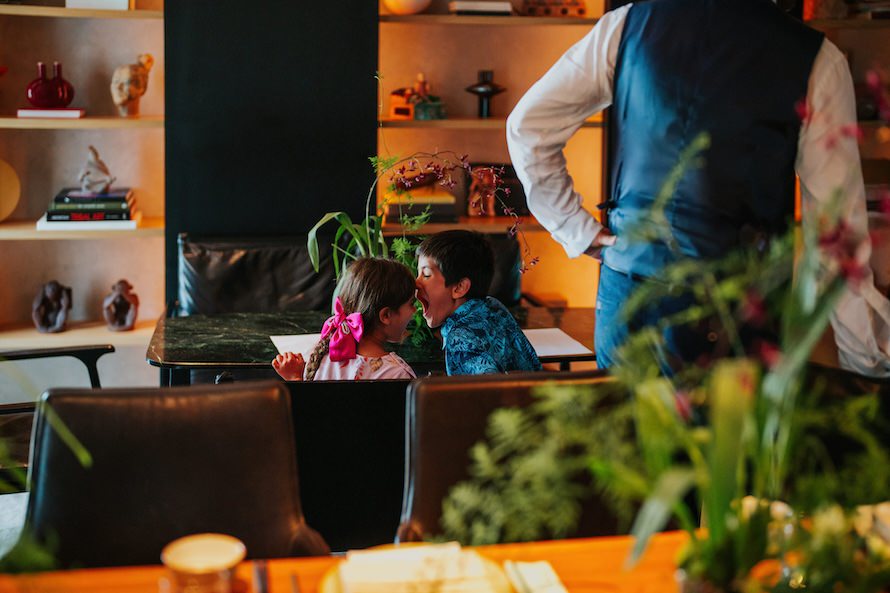
Trust the flow of the day.
One question we hear from couples is whether they’ll have enough photographs.
The answer is almost always yes.
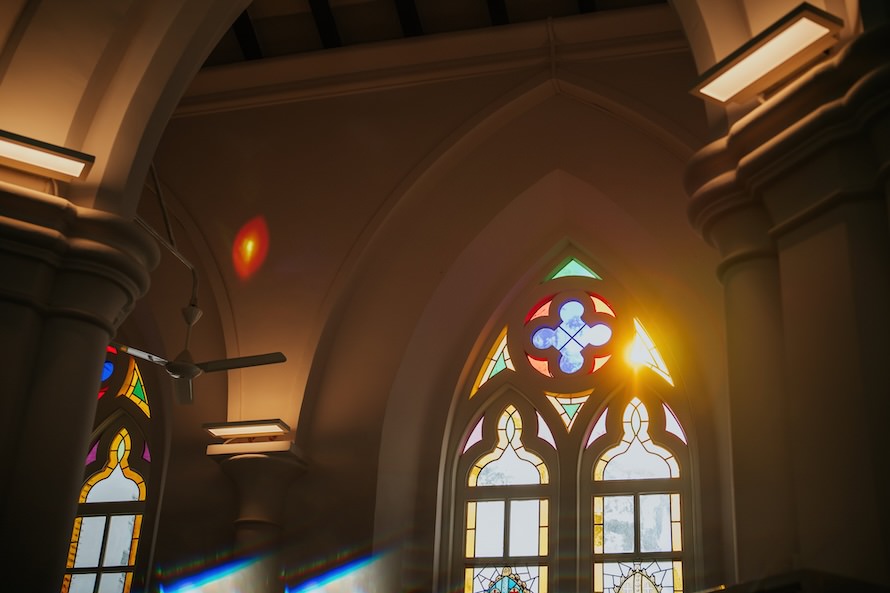
Our approach has never been about photographing every minute.
It’s about noticing the moments that matter.
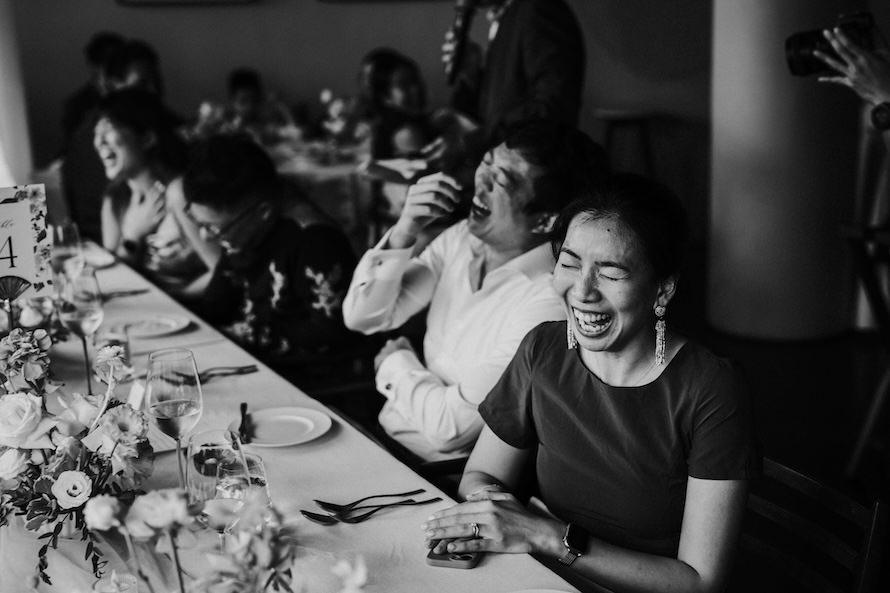
Sometimes that means stepping in to guide you.
Sometimes it means quietly stepping back.
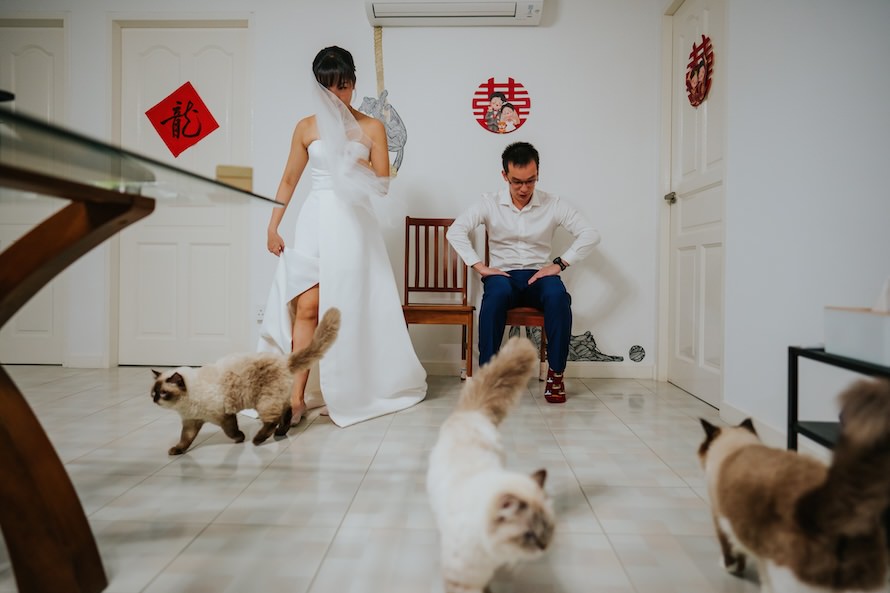
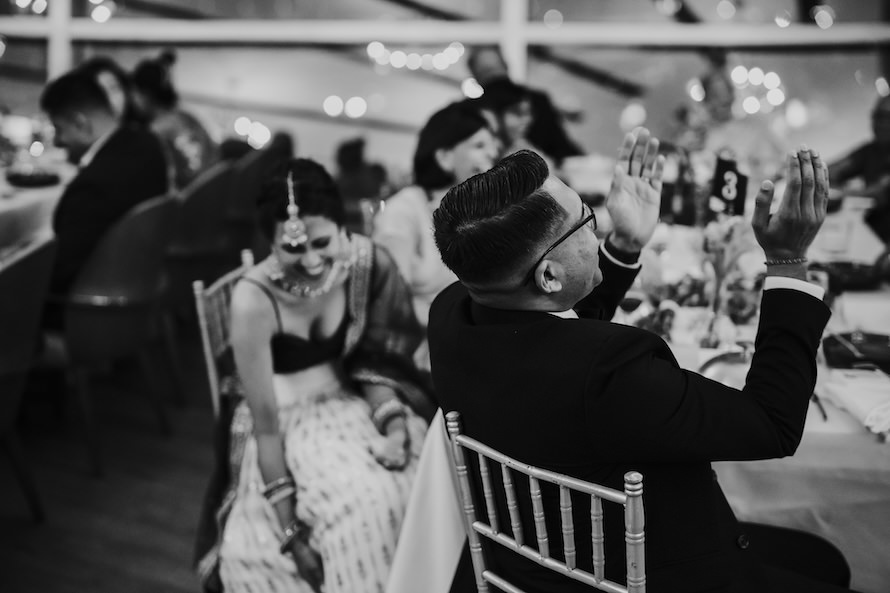
The best photographs often happen when everyone forgets the camera is there.
Frequently Asked Questions
How many hours of wedding photography do we need?
Most weddings in Singapore are comfortably covered within 6–10 hours, depending on whether you’re including preparations, gatecrashing, tea ceremonies, solemnisation and the reception.
When should couple portraits be taken?
Many couples choose either a first look before the ceremony or a short session during/around sunrise/sunset. Both offer beautiful opportunities; the best choice depends on how you’d like to experience your day.
How much time should we set aside for family photos?
Around 20–30 minutes is usually sufficient with a prepared family shot list and everyone gathered in advance.
Should we include buffer time in our wedding timeline?
Yes. Small buffers between events help reduce stress, accommodate minor delays and create a more relaxed experience for everyone.
Do weddings ever run exactly on schedule?
Not always and that’s perfectly okay. A thoughtful timeline isn’t about perfection. It’s about giving yourselves enough flexibility to enjoy the day as it unfolds.
Looking back
Years from now, it’s unlikely you’ll remember whether your solemnisation began five minutes late or whether dinner started exactly on time.
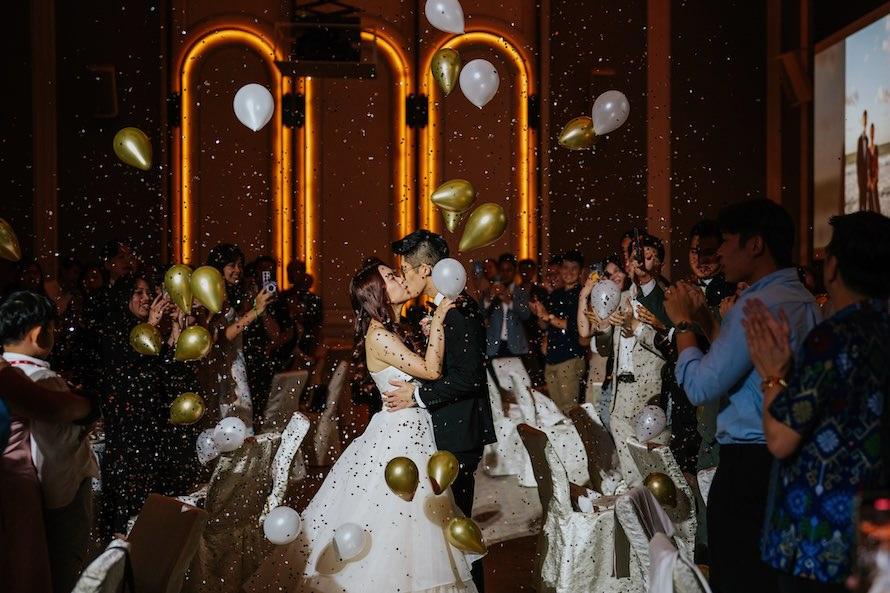
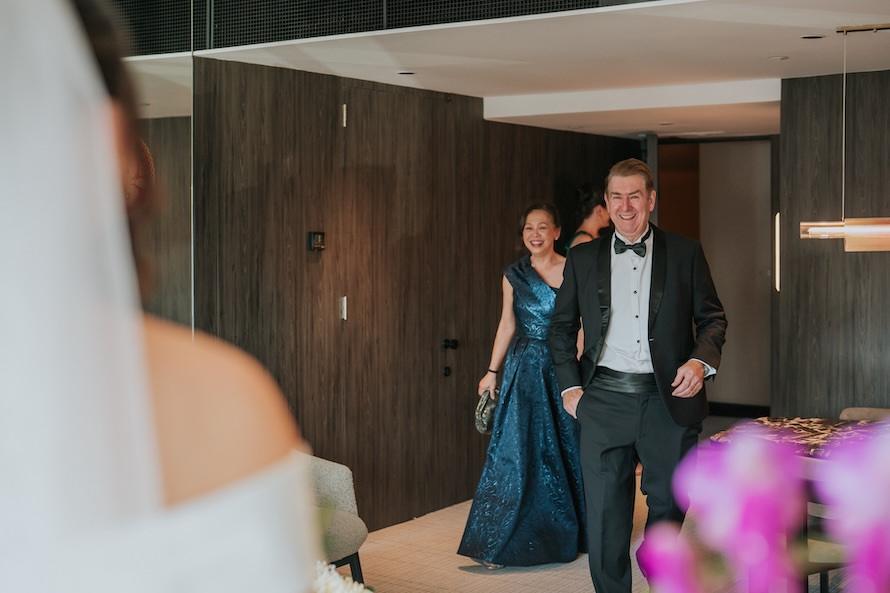
You’ll remember your father seeing you in your wedding attire for the first time.
The way your partner reached for your hand while no one was looking.
The laughter that filled the room.
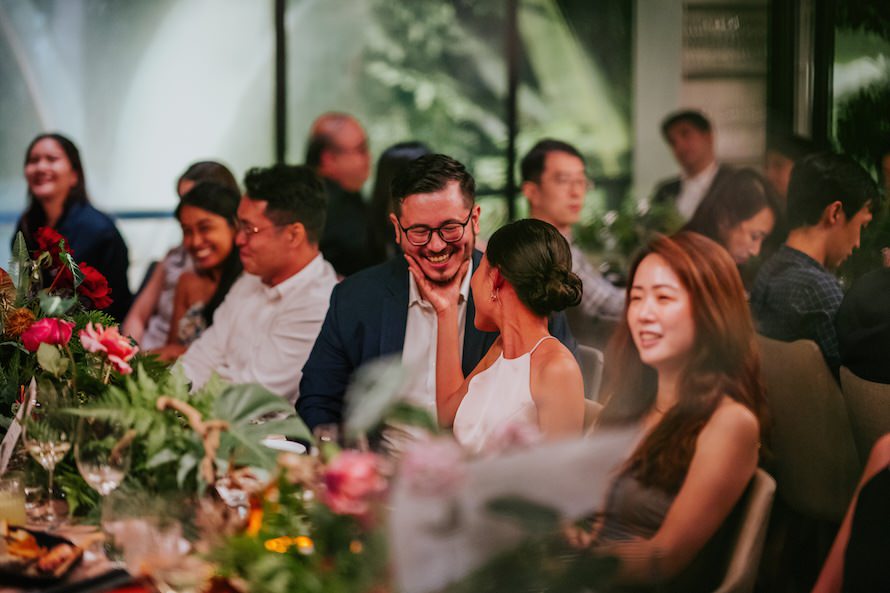
The conversations that continued long after the formalities had ended.
A well-planned wedding photography timeline isn’t really about photographs.
It’s about giving yourselves the time to be fully present for the people and moments that matter most.