How Many Hours of Wedding Photography Do You Really Need?
How Many Hours of Wedding Photography Do You Really Need?
It’s less about how many photographs you want, and more about which parts of the day you want to remember.
One of the most common questions we get from couples is:
“How many hours of wedding photography do we need?”
And honestly, there isn’t a one-size-fits-all answer.
Some weddings are beautifully intimate. A few hours may be all you need.
Others unfold slowly, from the quiet moments of getting ready in the morning to the last hugs at the end of the night. For these weddings, having your photographer around for longer allows the story to unfold more completely.
So rather than starting with a number, we think it’s worth asking a slightly different question.
What parts of your wedding day would you want to remember?
Start with the moments that matter to you.
Think about your wedding day from beginning to end.
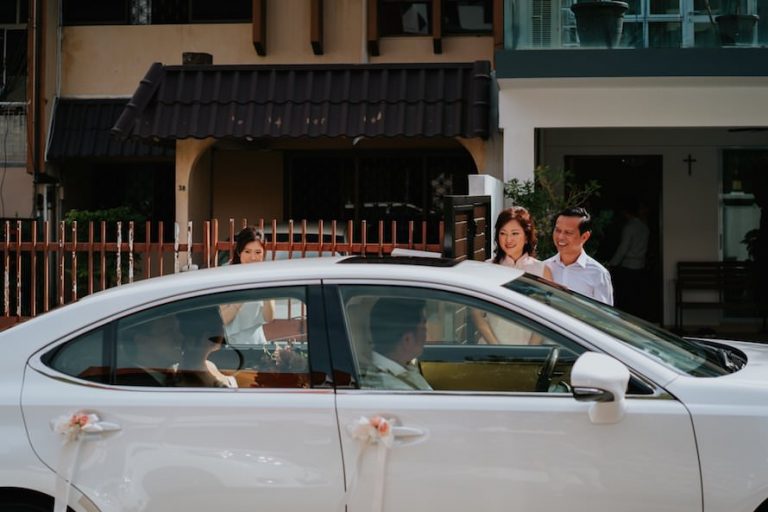
Perhaps you want photographs of your parents seeing you for the first time that morning.
Your friends helping you get ready.
The quiet moments before walking down the aisle.
Your solemnisation.
Family photographs.
Customaries.
Dinner.
Speeches.

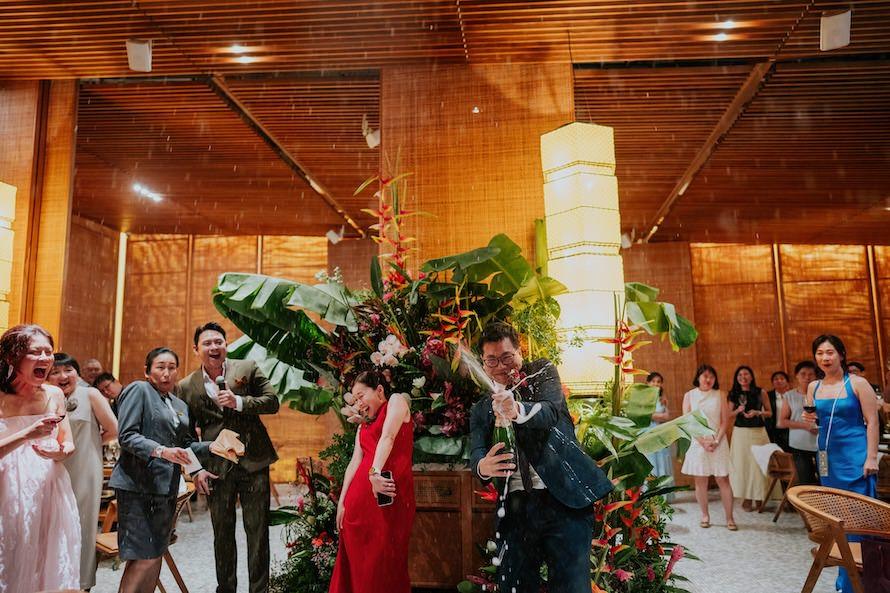
The chaos on the dance floor.
Or perhaps you’re having a small celebration and only care about the ceremony and the time spent with your closest people afterwards.
There isn’t a right answer.
Your photography coverage should reflect the wedding you’re actually having.
What can you cover in 3–4 hours?
A shorter coverage can work beautifully for an intimate wedding, solemnisation or smaller celebration.
With a little planning, you can focus on the parts of the day that matter most.
For example:
- Getting ready details
- A little time with family
- Ceremony / solemnisation
- Family photographs
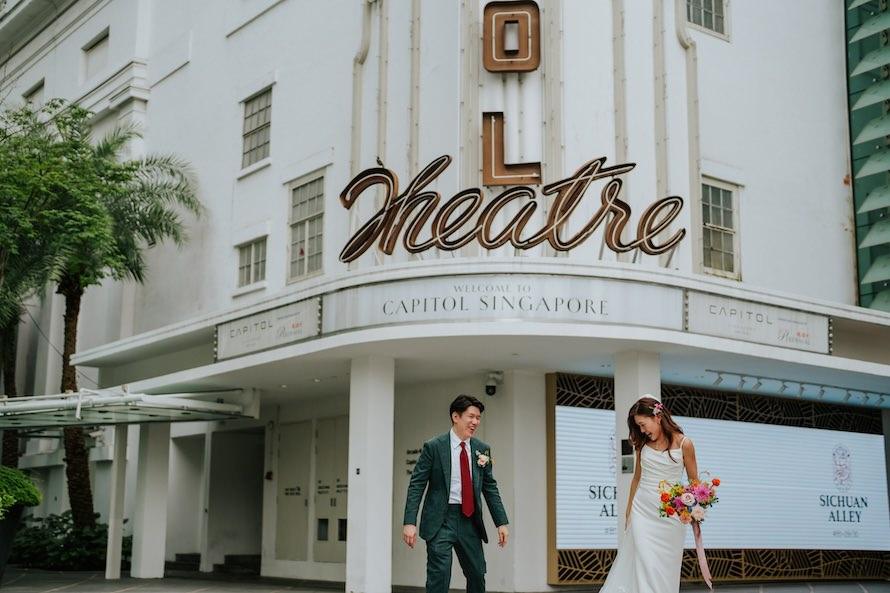
- Couple portraits
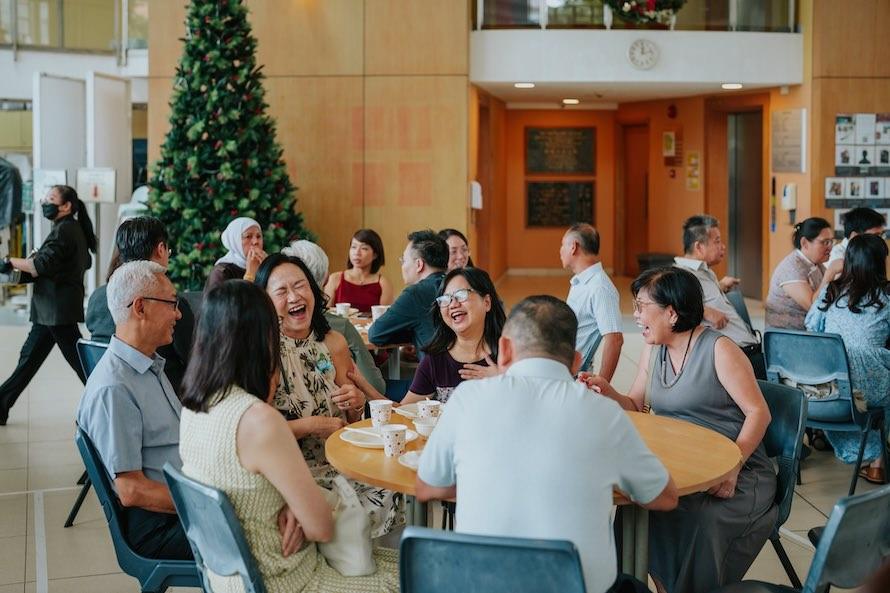
- A few moments with guests
This can be enough when the wedding is simple and everything is happening in one location.
The key is having a realistic timeline.
There isn’t much room for delays, travel or unexpected moments.
And that’s perfectly fine if you’re comfortable with that.
What can you cover in 6 hours?
Six hours gives you considerably more breathing room.
You might begin with preparations, photograph the ceremony, spend some time with your families and friends, and stay through part of the reception.
For many smaller weddings, this can be a sweet spot.
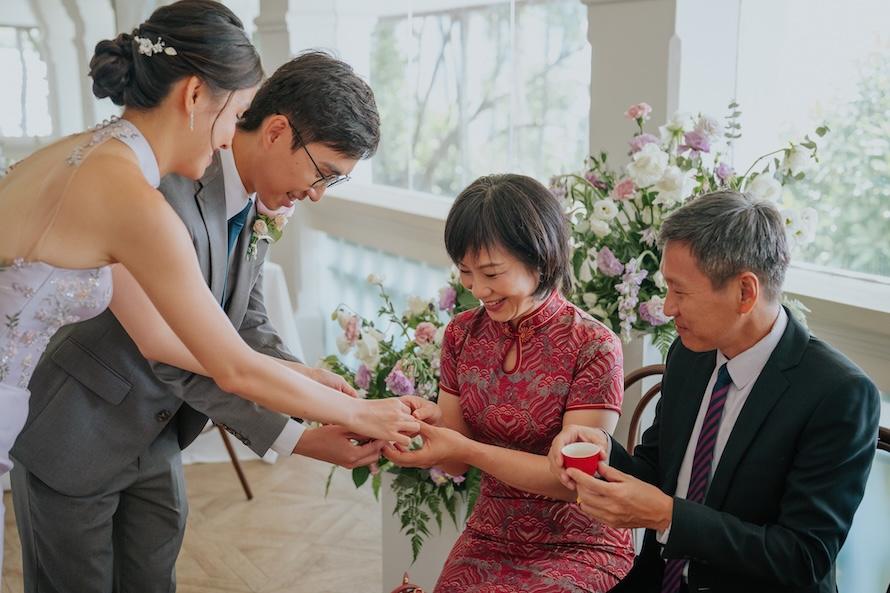
You have enough time to let things happen naturally without needing to rush from one part of the day to another.
And that’s important.
Because sometimes the photograph you didn’t plan for happens when you’re walking from one room to another.
What can you cover in 8 hours?
Eight hours begins to tell a much fuller story.
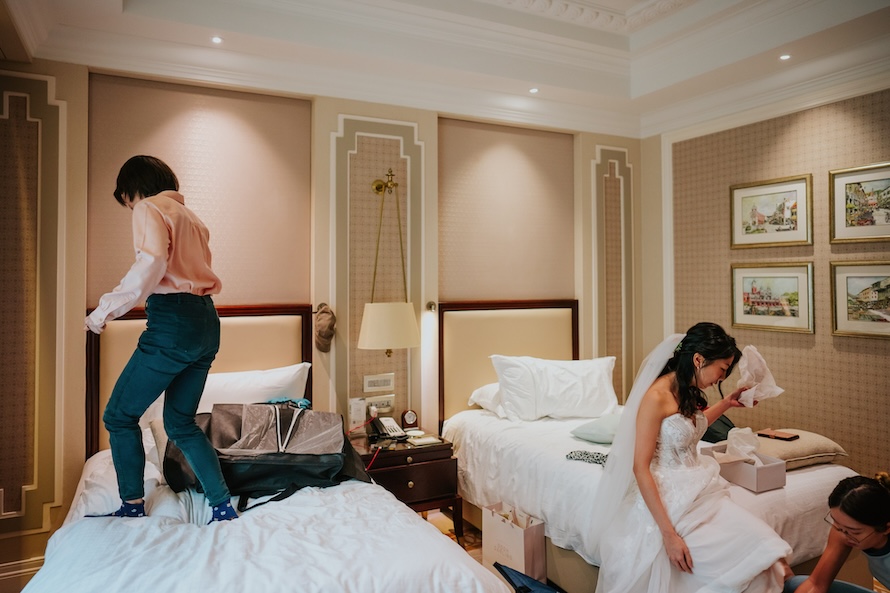
You might have time for:
- Getting ready
- Details and atmosphere
- First look
- Ceremony / Solemnisation
- Tea Ceremony
- Family portraits
- Couple portraits
- Cocktail reception
- Speeches
- Dinner
- First dance
- Some of the evening celebrations
There’s also more room for the little things in between.
A nervous laugh before the ceremony.
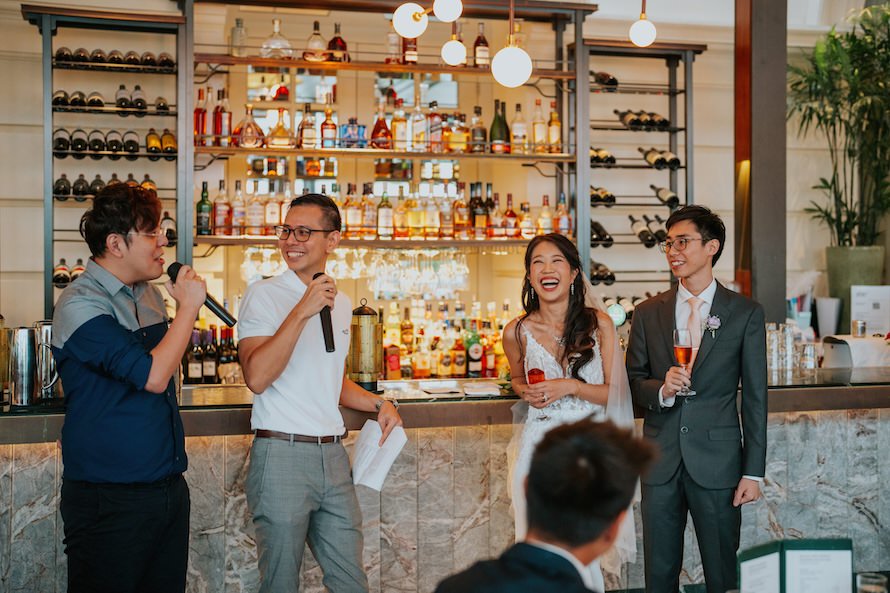
Your dad fixing your jacket.
Your friends sneaking you a drink.
Your grandparents watching from the side.
Those moments don’t necessarily happen according to schedule.
Having more time means we don’t have to rush past them.
What about 10 hours or more?
Longer coverage makes sense when you want the whole story.
Perhaps your wedding begins in the morning and continues late into the evening.
Perhaps you’re having multiple locations, a tea ceremony, solemnisation, dinner, multiple speeches and dancing.
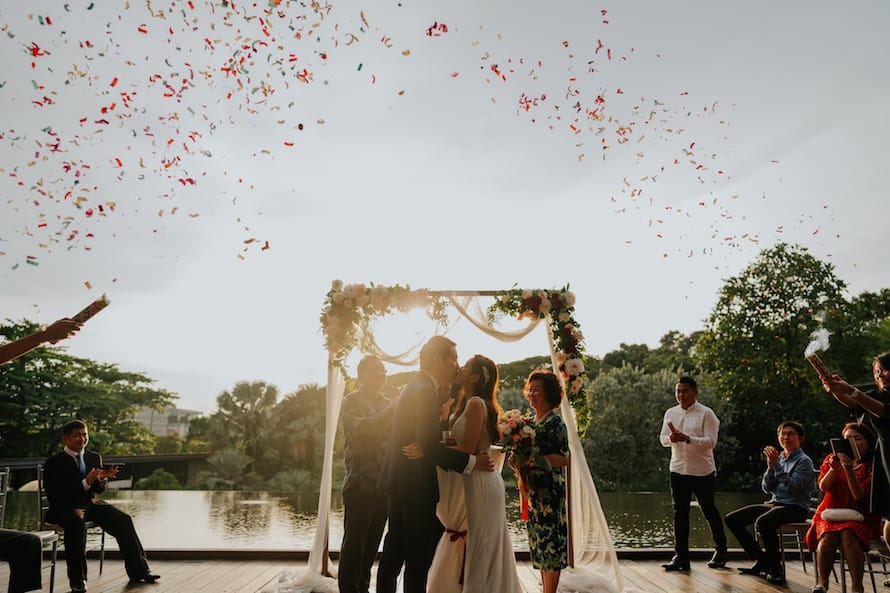
Or perhaps you simply don’t want to choose which parts of the day to leave out.
With longer coverage, we can start before everything feels “ready.”
And that’s often where some of the most meaningful photographs live.
The half-dressed room.
The bridesmaids laughing over breakfast.
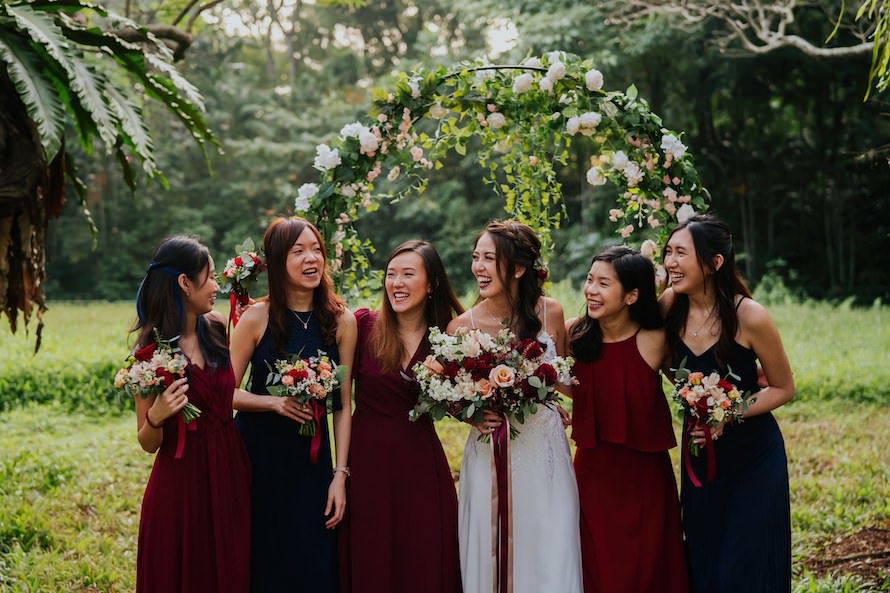
Your parents quietly watching from the corner.
The anticipation before the first guest arrives.
The moments after everyone has left.
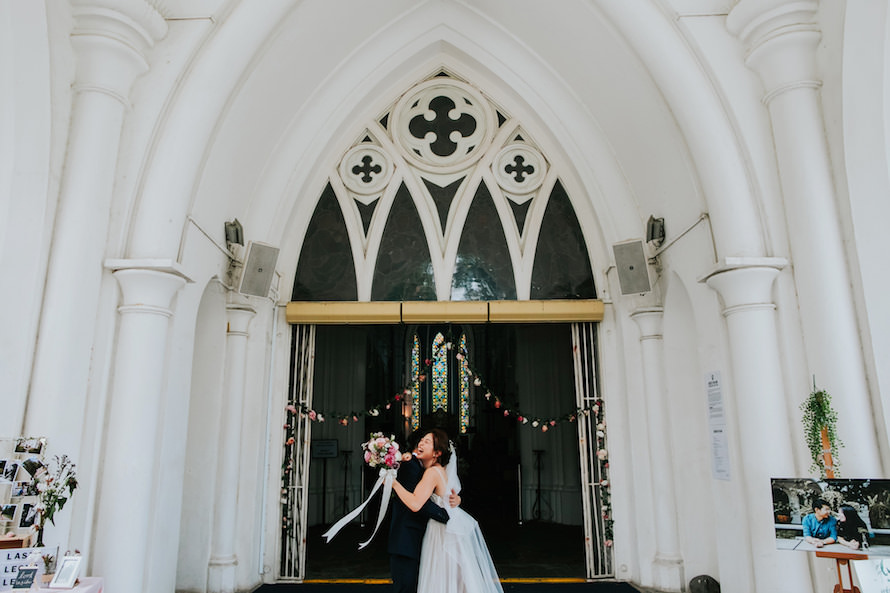
It’s not always the big event that makes the photograph.
Sometimes, it’s everything surrounding it.
Don’t forget about travel time.
This is particularly important for weddings in Singapore.
If your preparations are in one location, your ceremony somewhere else and your reception somewhere else again, moving between locations takes time.
If your photographer only has a fixed number of hours, part of that coverage may naturally be spent travelling.
That’s not necessarily a bad thing.
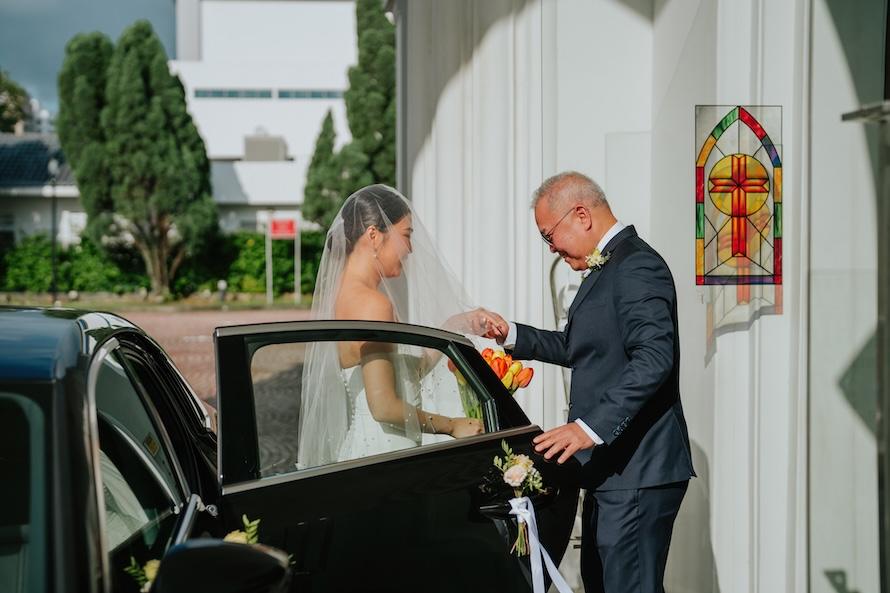
Some of our favourite photographs happen in between locations.
But it’s worth considering when planning your timeline.
If you want photographs at multiple locations, give yourself enough breathing room so the day doesn’t become a race against the clock.
Give yourselves some buffer.
Weddings rarely run perfectly according to schedule.
Someone is late.
The makeup takes a little longer.
A relative hasn’t arrived for family photographs.
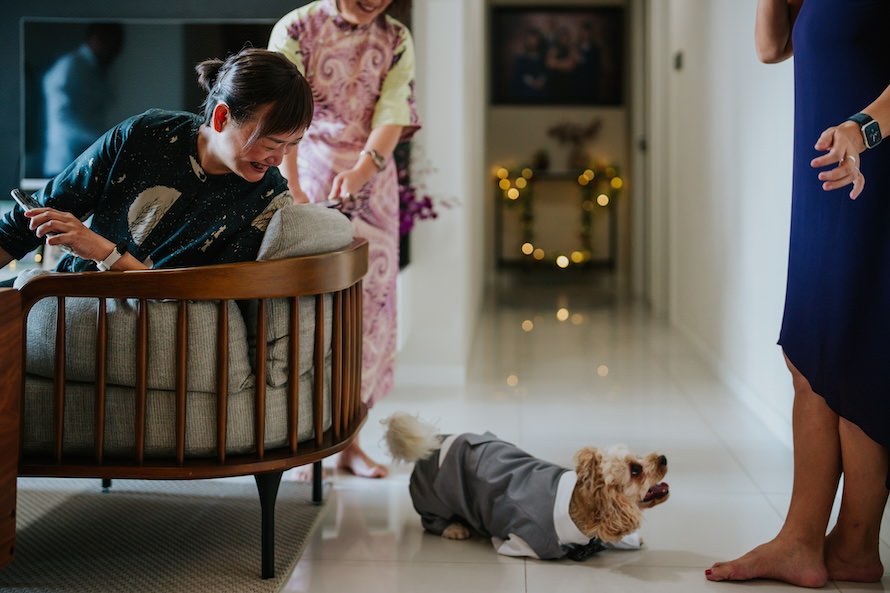
The ceremony starts fifteen minutes late.
And suddenly, the carefully planned timeline starts moving.
That’s why we generally prefer a little breathing room.
Not because everything needs to run perfectly.
Quite the opposite.
The more room you have in your timeline, the more you can simply enjoy the day when things don’t go exactly according to plan.
More hours doesn’t necessarily mean more photographs.
This is something worth mentioning.
Choosing ten hours instead of six doesn’t simply mean receiving more photographs.
It’s about having the opportunity to experience more of the story.
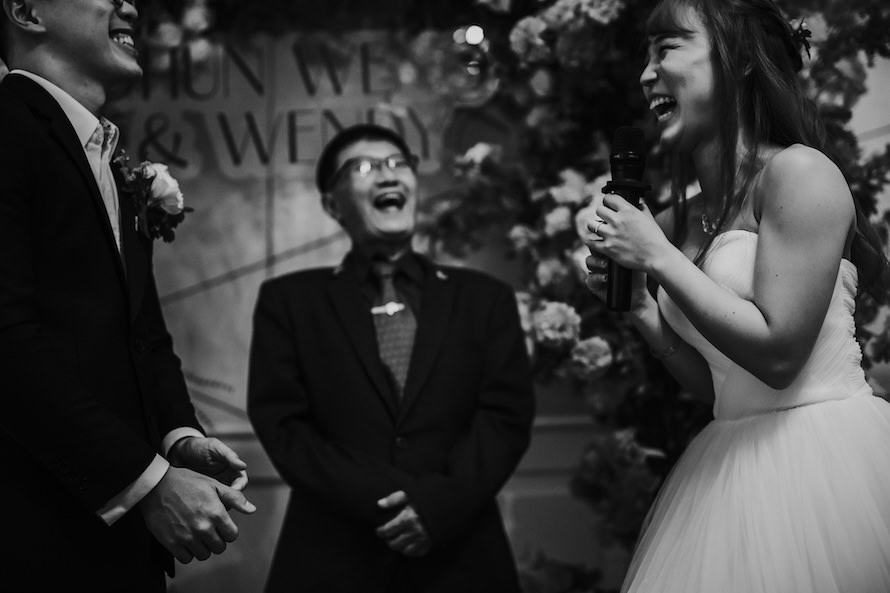
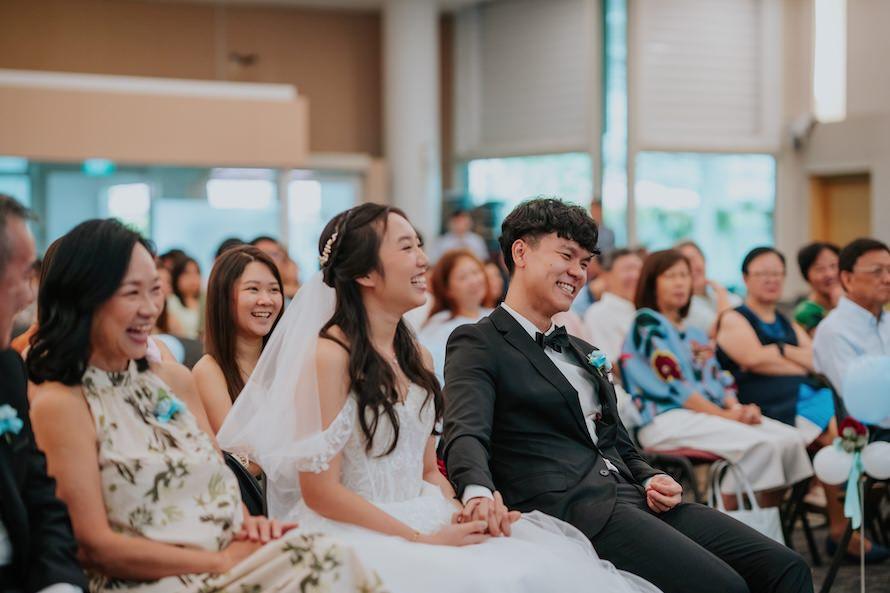
A longer coverage might mean we photograph the quiet morning preparations, the ceremony, your family, your friends, the speeches and the wild dance floor.
The photographs become a record of how the entire day felt.
Not just what it looked like.
What if we’re not sure?
If you’re deciding between two coverage options, we’d suggest looking at your timeline rather than the number of hours.
Write down the moments you’d really want photographed.
Then work backwards.
When would you like your photographer to arrive?
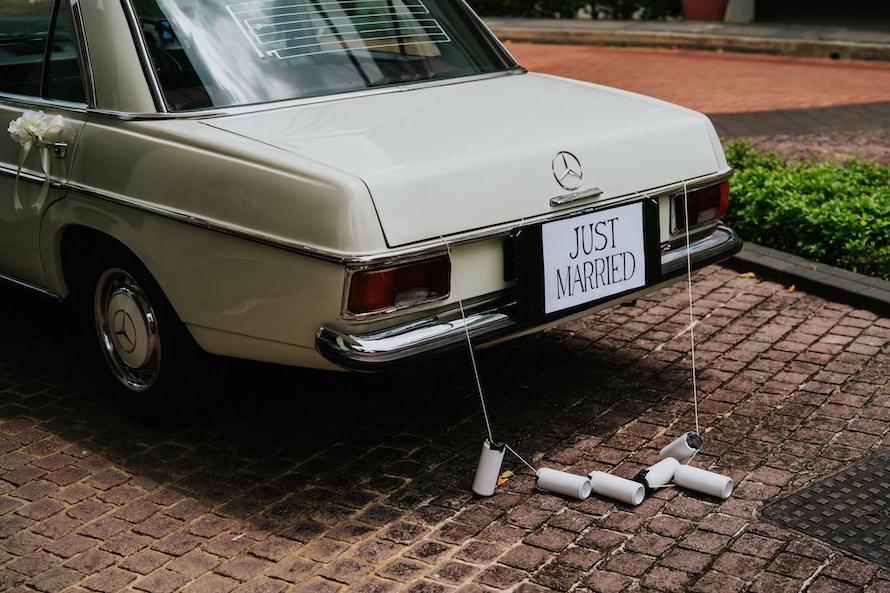
When does the ceremony begin?
Where will your family photographs / table photos happen?
Do you want photographs during dinner?
Are the speeches important to you?
What about the first dance?
Do you want to stay until the end of the celebration?
Once you lay everything out, the answer often becomes quite obvious.
Don’t add hours just because you think you should.
There’s also no need to choose the longest coverage simply because it’s available.
If you’re having an intimate three-hour celebration and don’t want photographs of the reception afterwards, then three hours may be exactly right.
The best coverage isn’t necessarily the longest one.
It’s the one that gives you enough space to remember the parts of the day that matter to you.
If you’re unsure, talk to your photographer.
This is where having a photographer who understands your plans can be useful.
We can look at your timeline with you and identify where the important moments are likely to happen.
Sometimes we’ll suggest adding an hour.
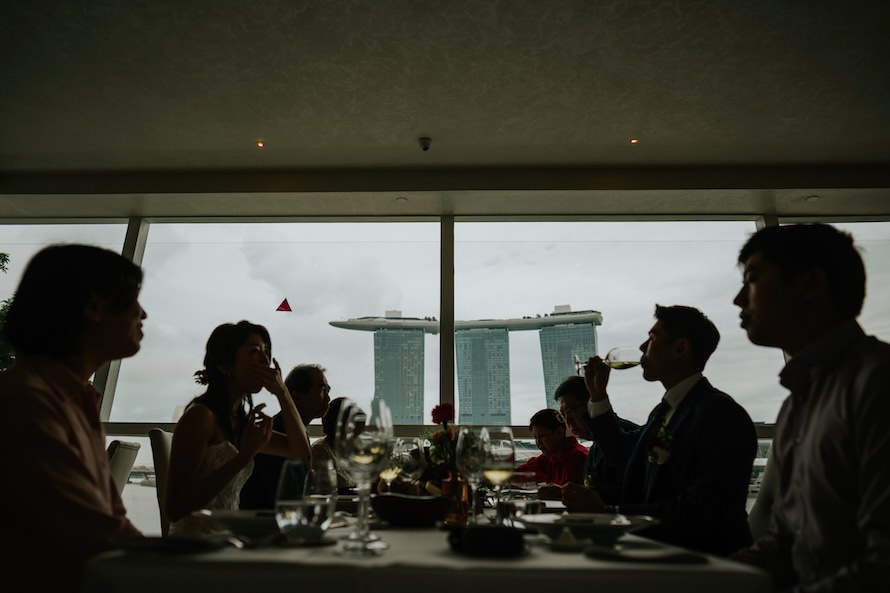
Sometimes we’ll tell you that you probably don’t need it.
If you’d like to get a better sense of what’s available, have a look at our wedding photography rate card for an overview of our packages and coverage options.
And if you’re still unsure, have a chat with us. We’d be more than happy to talk through your plans and help you work out what kind of coverage would be most meaningful for you.
Because ultimately, we’re not here to fill a certain number of hours.
We’re here to photograph your wedding in a way that feels true to you.
So, how many hours do you really need?
There’s no magic number.
3–4 hours can work beautifully for an intimate ceremony or shorter celebration.
6 hours can provide comfortable coverage for many smaller weddings.
8 hours allows a fuller story from preparations through the important reception moments.
10 hours or more can give you the freedom to document almost the entire day, from the quiet beginning to the last dance.
But don’t choose based on the number alone.
Think about the moments.
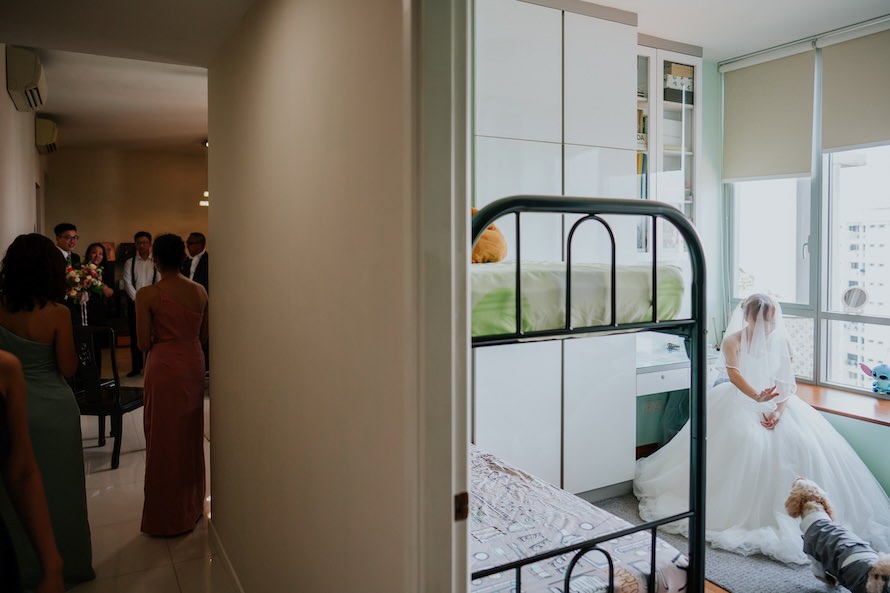
Think about the people.
Think about the parts of the day that you’ll want to return to years from now.
Then choose the amount of time that allows those moments to unfold without rushing.
Because when you look back at your wedding photographs, you probably won’t be counting how many hours your photographer was there.
You’ll simply be remembering how it felt to be there.
Frequently Asked Questions
Is 6 hours enough for wedding photography?
It can be. Six hours can work well for smaller weddings, especially when the ceremony and reception are held at the same venue. The important thing is to look at your timeline and identify which moments you want photographed.
Is 8 hours enough for a wedding?
For many weddings, eight hours provides a good balance between coverage and flexibility. It can allow for preparations, ceremony, family photographs, couple portraits and important reception moments such as speeches and the first dance.
How many hours of wedding photography do most couples need?
There isn’t a universal number. The right amount depends on your wedding timeline, number of locations, ceremony and reception arrangements, and which moments you want documented.
Should wedding photography include getting ready?
If the getting-ready experience is meaningful to you, we’d recommend including it. Some of the most personal photographs happen before the ceremony, when you’re surrounded by your closest friends and family.
Does photography have to start when hair and makeup begins?
Not necessarily. We usually recommend starting at least 30 minutes before hair and makeup finishes.
This gives us enough time to photograph some of the final makeup and preparation moments, details of your gown and accessories, the little interactions happening around the house, and everything else that makes the morning feel like yours.
You don’t necessarily need your photographer there from the very beginning of hair and makeup. Often, those final 30 minutes are when things start to come together — and there’s plenty to photograph.
Should we have our photographer stay until the end of the wedding?
Not necessarily. If the later part of the evening is important to you, it can be worthwhile. But if you don’t care about photographing the final hours of dancing or the last few guests, your coverage may be better used earlier in the day.
Is more wedding photography coverage always better?
Not necessarily. More hours give you the opportunity to document more of the day, but the best coverage is the amount that fits your wedding and the moments that matter most to you.
A note from us
If you’re still unsure about how much coverage you need, don’t worry about getting the answer exactly right.
Send us your rough wedding timeline.
We’ll happily look through it with you and help you work out where photography coverage would be most meaningful.
Sometimes, less is more.
Sometimes, you’ll realise you don’t want to miss a thing.
Both are perfectly okay.