A Guide to Wedding Speeches That Feel Genuine
A Guide to Wedding Speeches That Feel Genuine
The speeches people remember are rarely the funniest. They’re usually the most honest.
“We’ve heard speeches that had the entire room in laughter.
We’ve heard speeches that left barely a dry eye.
More often than not, the ones people remember years later weren’t perfectly written.
They simply sounded like the person standing behind the microphone.”
One of the questions we’re occasionally asked is whether we have any advice for wedding speeches.
Not because we’re speechwriters.
But because, after photographing weddings for many years, we’ve quietly listened to hundreds of them.
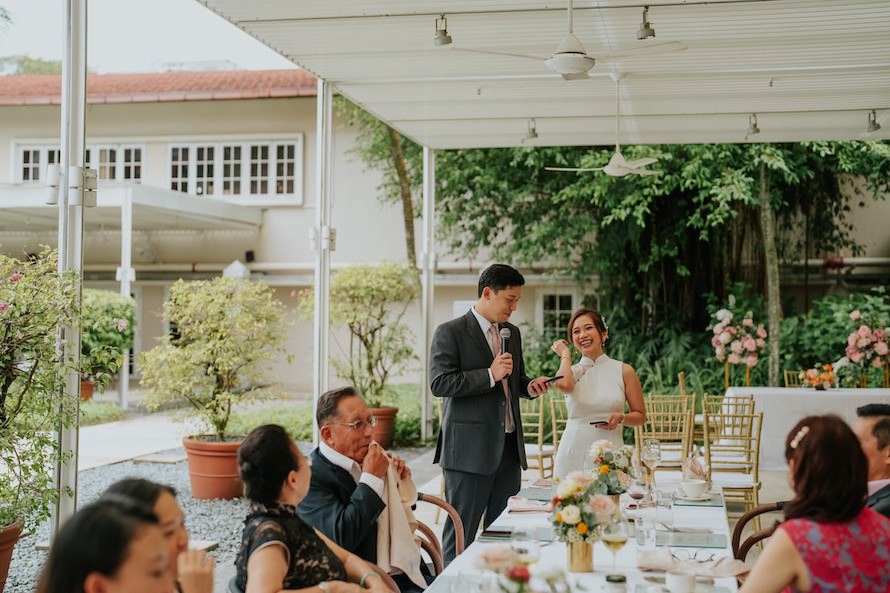
We’ve watched nervous best men fumble through cue cards before finding their rhythm.
We’ve seen fathers pause halfway through a sentence as emotions unexpectedly caught up with them.
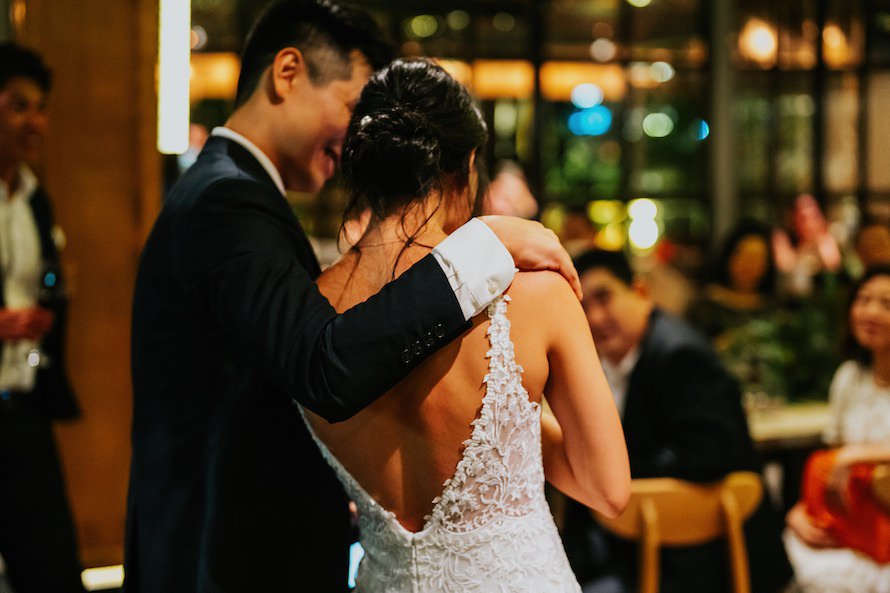
We’ve watched brides and grooms look at each other as though everyone else in the room had disappeared.
Those moments remind us that a memorable wedding speech isn’t about saying the perfect thing.
It’s about saying something that only you could say.
Don’t try to impress the room.
It’s tempting to think a great wedding speech needs to be clever.
Or hilarious.
Or beautifully written.
In reality, guests aren’t hoping to hear a professional performance.
They’re hoping to hear your voice.
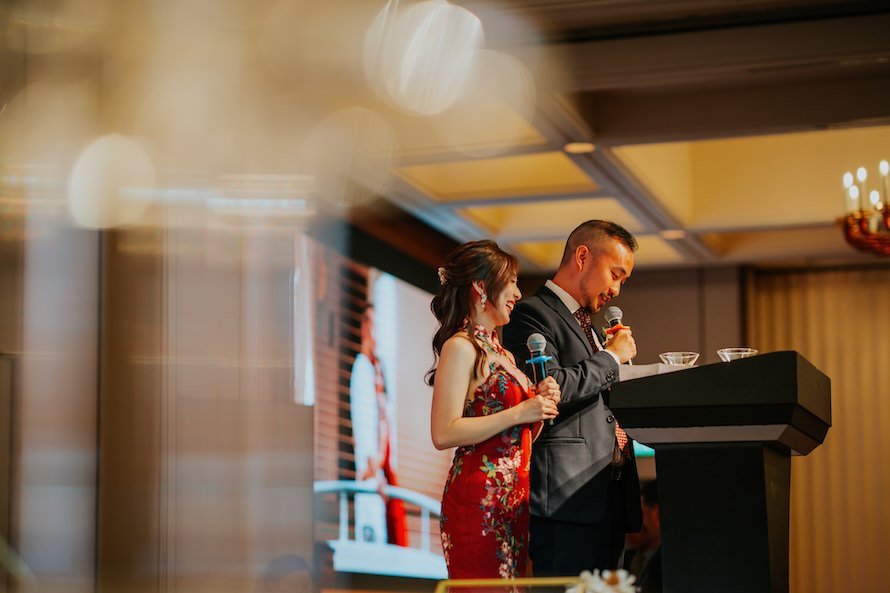
The words don’t need to sound polished. Feel free to add in your family lingo, inject it with a little Singlish, dialect, or those inside jokes that only your family and closest friends understand.
Those little imperfections are often what make a speech feel like it belongs to you.
You don’t need to sound like a professional speaker.
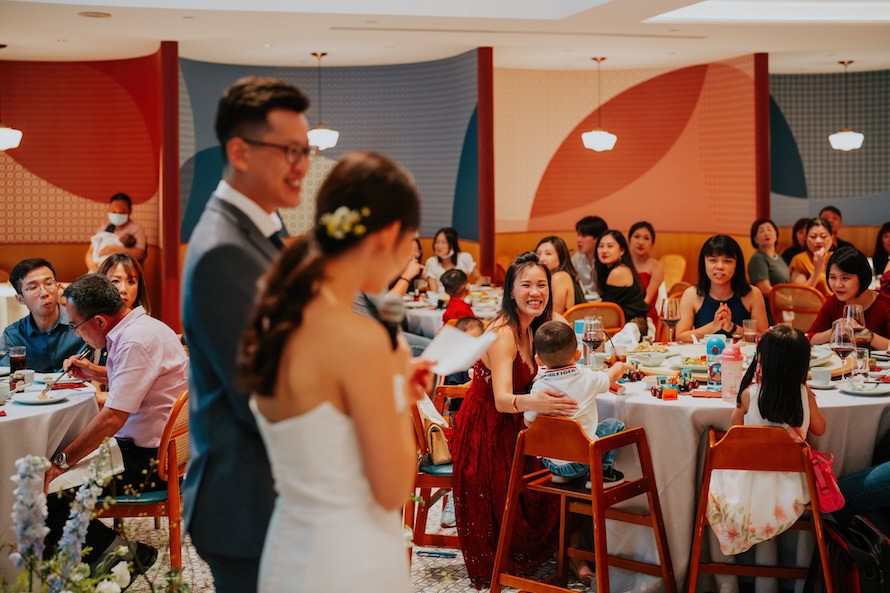
You just need to sound like yourself.
Tell stories, not achievements.
Rather than listing everything you admire about someone, think about the moments that revealed those qualities.
Instead of saying,
“She’s the kindest person I know.”
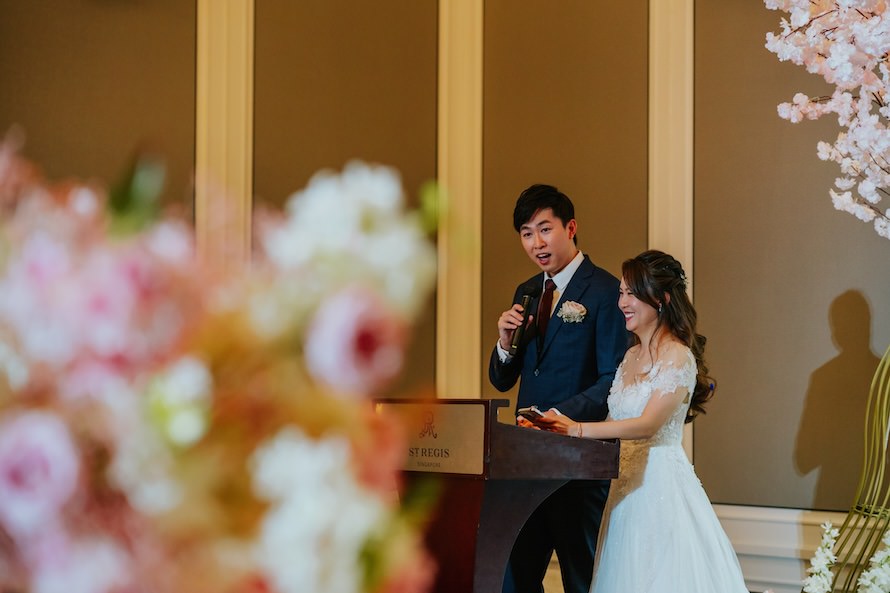
Tell the story that made you realise she was.
Stories invite everyone into the memory.
That’s what makes them memorable.
Speak to one person, not a hundred.
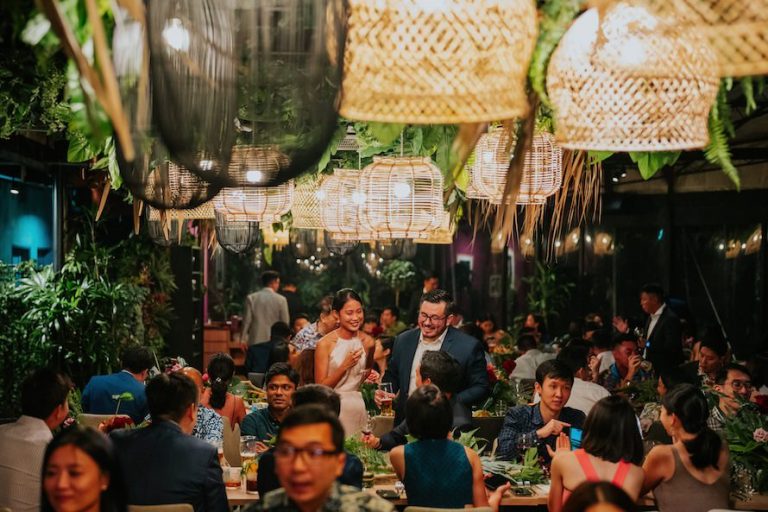
Standing in front of a room full of guests can feel intimidating.
Sometimes it helps to imagine you’re simply talking to the person you’re celebrating.
Whether it’s your partner, your parents or your best friend, let the room quietly listen in on a conversation that already exists.
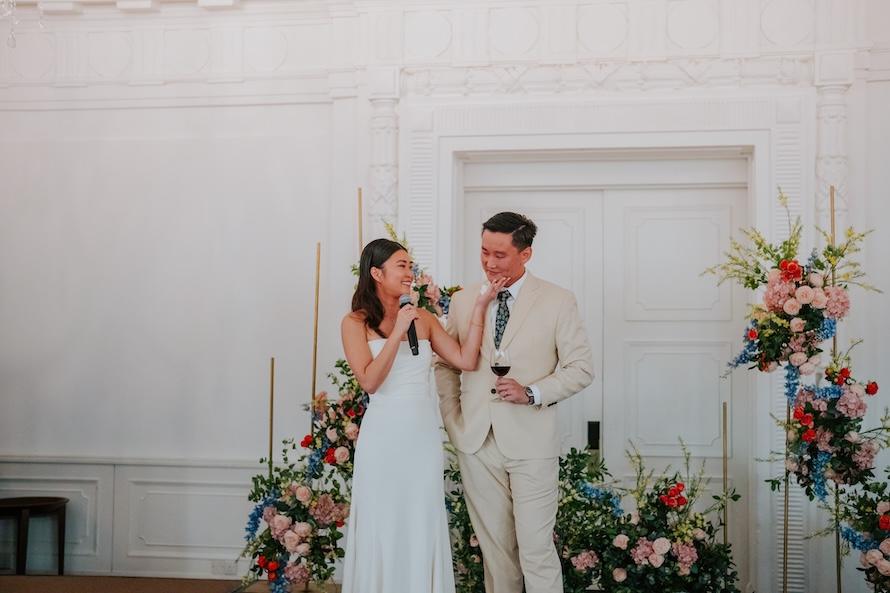
The speech immediately becomes more personal.
And often, much easier to deliver.
Leave room for emotion.
It’s perfectly okay if your voice shakes.
It’s perfectly okay if you need a moment to gather your thoughts.
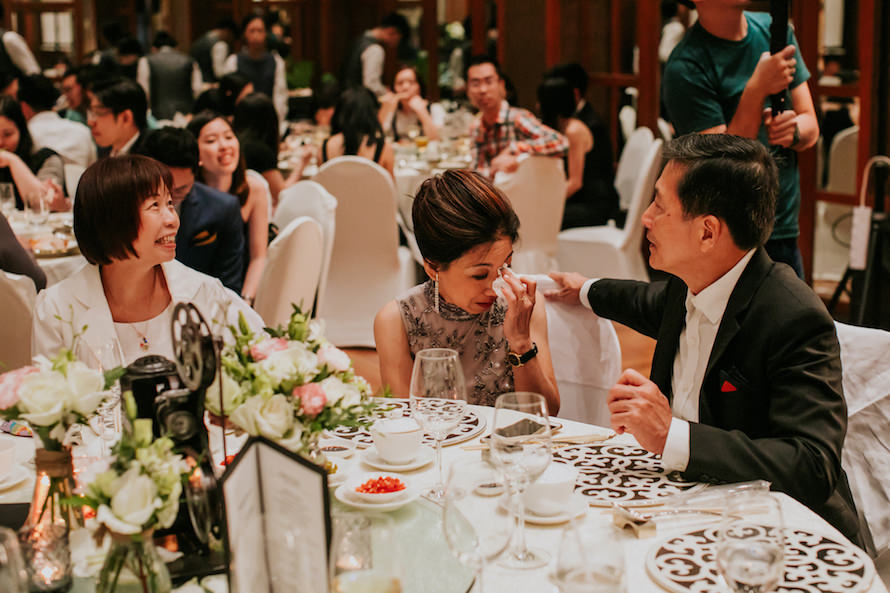
Some of the most heartfelt speeches we’ve witnessed included long pauses.
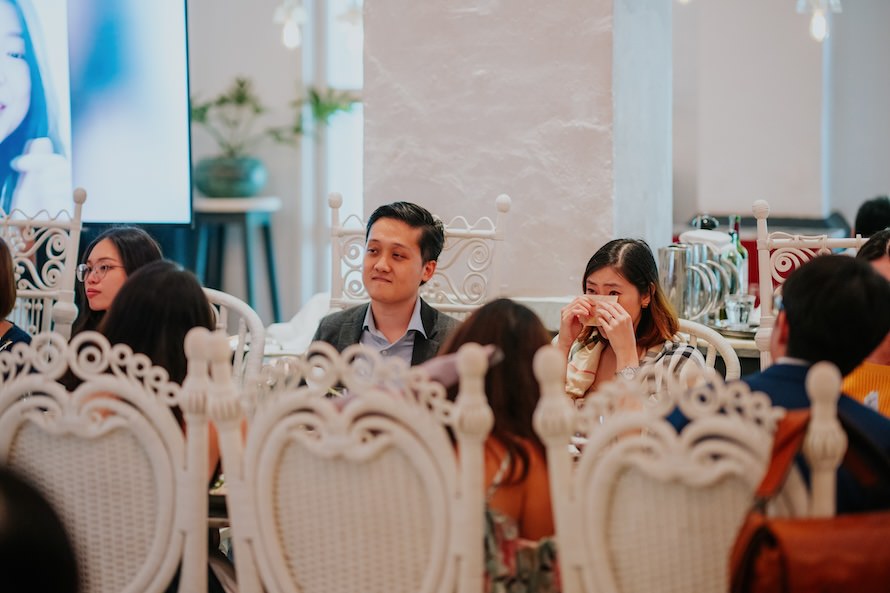
Not because someone forgot what to say.
But because the words mattered.
You don’t need to apologise for that.
Put the phone away.
One small suggestion we often share is to avoid reading your speech from your phone if you can.
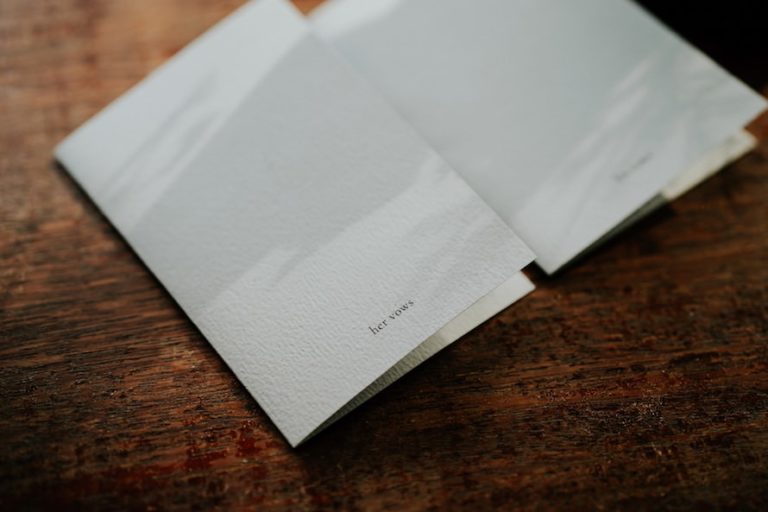
A printed copy—or better yet, a handwritten one—helps you stay connected with the people in front of you instead of a glowing screen.
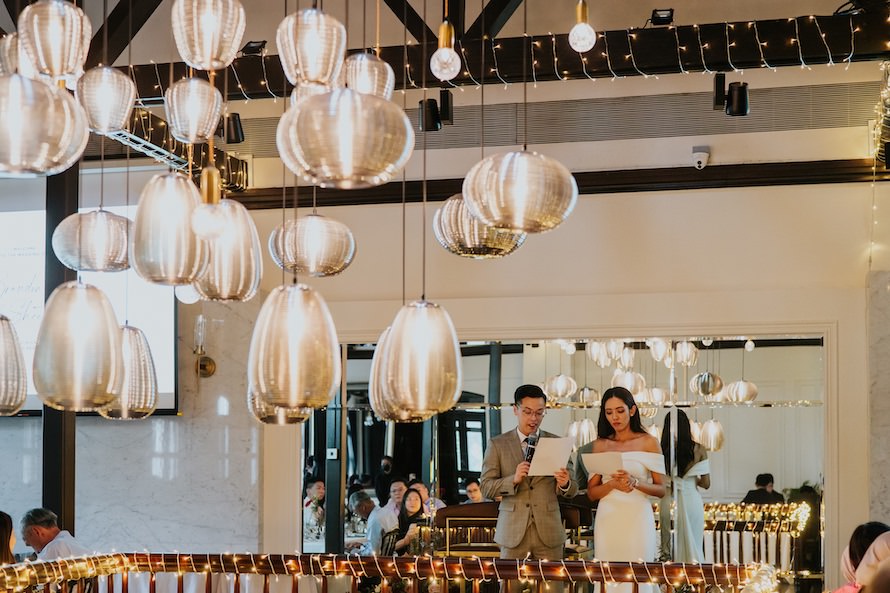
It also removes notifications, lock screens and other little distractions that have a habit of appearing at the worst possible moment.
Sometimes the simplest choice helps everyone stay a little more present.
Keep it personal, not private.
The most meaningful speeches are honest without becoming uncomfortable.
If a story would only make sense to the two of you, consider whether the room needs the full version.
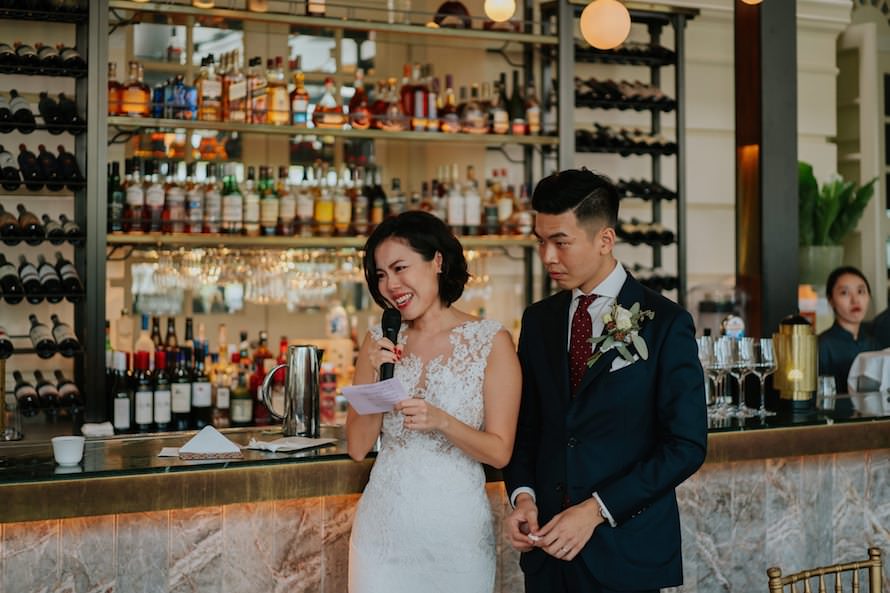
Often, a small glimpse into a shared memory says more than every detail ever could.
Thank the people who helped you get here.
A wedding is rarely the story of just two people.
It’s also the story of families, friendships and countless quiet acts of love that happened long before the wedding day.
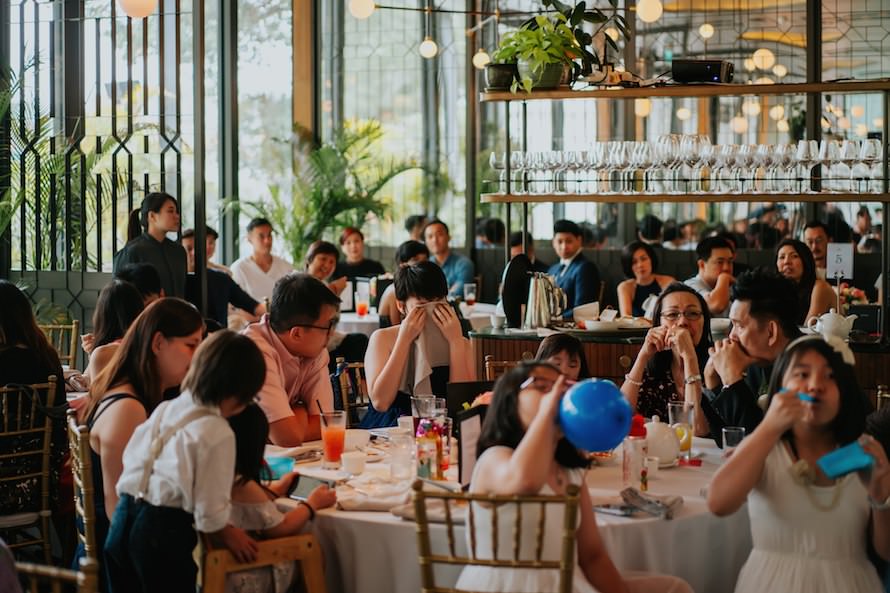
A few sincere words of gratitude often stay with people far longer than an elaborate joke.
It’s okay to be short.
One of the biggest misconceptions about wedding speeches is that longer means better.
It rarely does.
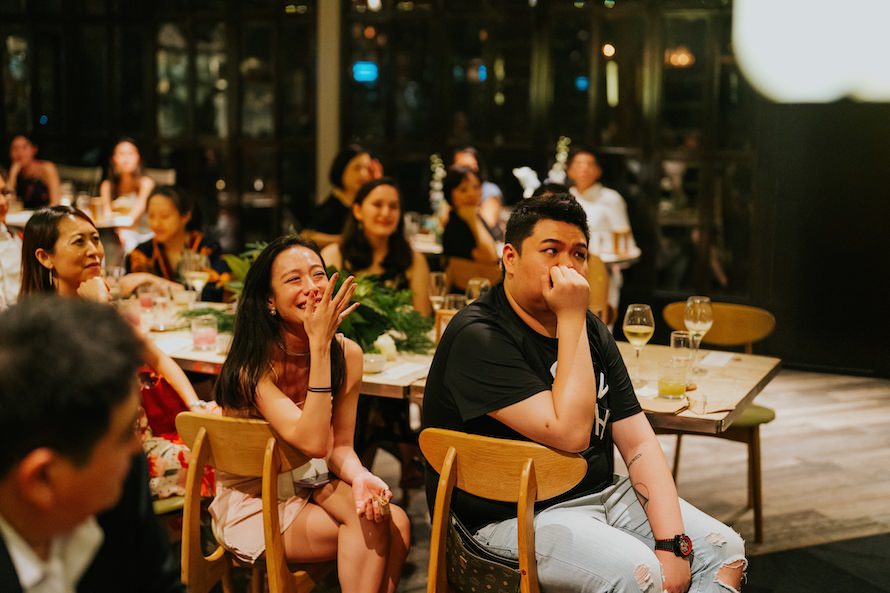
A heartfelt three-minute speech is almost always remembered more fondly than a fifteen-minute one.
Leave your guests wanting just a little more.
Don’t worry about getting every word exactly right.
We’ve photographed speeches where someone skipped an entire paragraph.
We’ve photographed speeches where cue cards ended up in the wrong order.
We’ve photographed speeches interrupted by laughter before the sentence was finished.
None of those moments made the speech less meaningful.
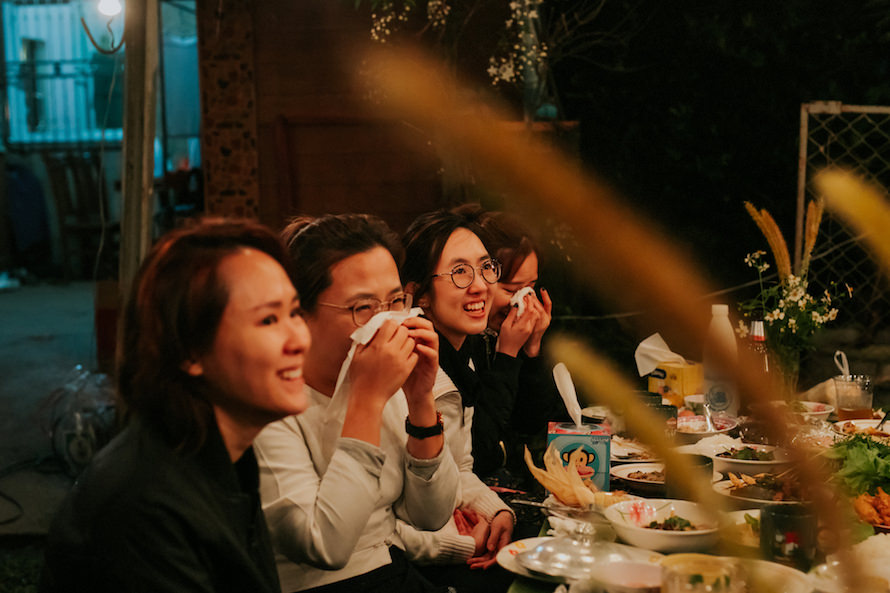
If anything, they made it feel more real.
The people who love you aren’t listening for perfection.
They’re listening for you.
Let someone else handle the logistics.
Before the speeches begin, ask your venue to pause food and beverage service if possible.
Without service staff moving between tables, guests are less distracted and can give the speaker their full attention.
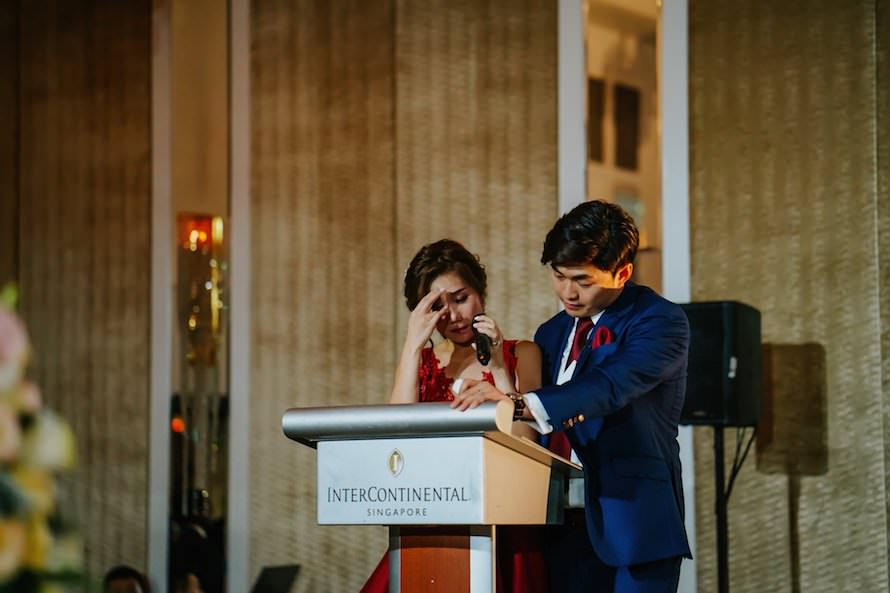
It also allows your photographers and videographers to move more freely around the room, capturing genuine reactions from different angles without constantly working around trays and service trolleys.
It’s a small detail that often makes a surprisingly big difference.
Looking back
When we think about the wedding speeches we’ve photographed over the years, we rarely remember the clever punchlines.
We remember the silence just before a father spoke his daughter’s name.
The quiet smile that appeared before a groom began reading his vows.
The laughter that interrupted a sentence because everyone recognised the story being told.
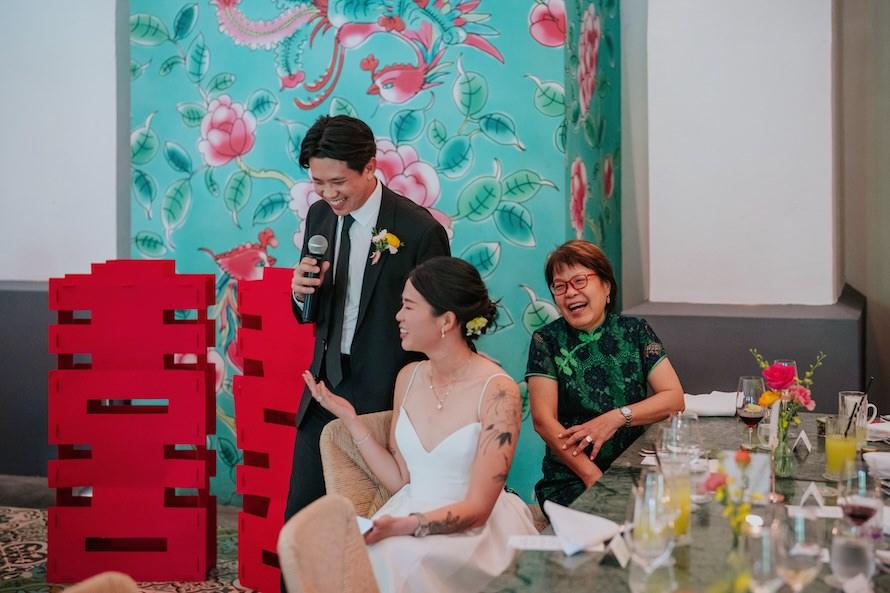
The tear that arrived halfway through a thank-you.
Those are the moments that linger.
Not because the words were perfect.
But because they were true.
Perhaps that’s all a wedding speech really needs to be.
A few honest words, shared with the people who matter most.
Frequently Asked Questions
How long should a wedding speech be?
Most wedding speeches feel most natural when they’re around three to five minutes long. It’s enough time to tell a meaningful story, express your gratitude and leave your guests wanting just a little more.
Should we memorise our wedding speeches?
There’s no need. Reading from a printed or handwritten copy is perfectly natural and often helps you relax. The goal isn’t to perform from memory—it’s to connect with the people listening.
Is it okay to become emotional during a wedding speech?
Absolutely. Some of the most memorable speeches include moments where the speaker pauses to gather themselves. Emotion isn’t something to hide—it’s often what makes the words feel genuine.
Should we read our speech from our phone?
If possible, we’d recommend printing or handwriting your speech instead. It helps you stay present, avoids distractions from notifications or screen locks, and allows for better eye contact with your guests.
What makes a wedding speech memorable?
More than anything else, honesty. Speak in your own voice, share stories instead of lists, and focus on genuine moments rather than trying to impress the room.